
 View Specials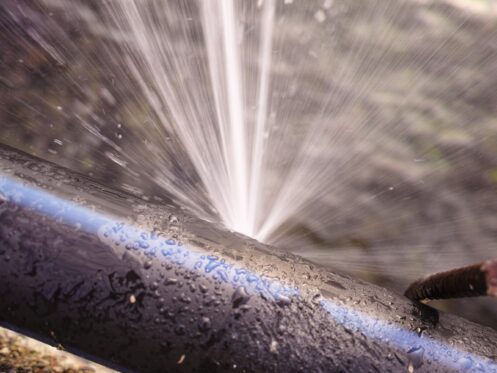
If your home was built before the 1960s, there’s a good chance it still has galvanized pipes. While these pipes were once the go-to choice for plumbing, they cause all sorts of problems as they age. Over time, galvanized pipes corrode from the inside out, leading to clogs, leaks, low water pressure, and discolored water.
If you’re dealing with any of those issues, it may be time to replace your old galvanized pipes. At On Time Experts, we help homeowners across the Dallas-Fort Worth metroplex make the switch to newer, more reliable plumbing. Below, we’ll cover why replacement matters, what to replace them with, what it costs, and how the process works.
- How long do galvanized pipes last? Typically 40 to 60 years. Most homes still on galvanized plumbing are well past that window.
- When was galvanized plumbing used? Commonly in homes built before the 1960s, before copper and later PEX became standard.
- What should you replace them with? Copper, PEX, or PVC, depending on budget and application (compared below).
- Does replacing them add home value? Yes. Upgraded plumbing is an attractive feature for buyers and reduces the risk of costly water damage.
Why Replace Galvanized Pipes in Your Older Home?
Galvanized pipes are made of steel coated with a thin layer of zinc. That zinc made them durable when they were first installed, but it wears away with age. Once it’s gone, the steel underneath is exposed to water and air, and the pipe starts to corrode from the inside.
As that corrosion builds up, it causes blockages, leaks, and poor water quality. You may notice low water pressure, discolored water, or frequent clogs. These are all signs your galvanized pipes are past their prime.
Even if they’ve worked for decades, it’s important to replace them before things get worse. When galvanized pipes break down, they can damage other parts of your home, including walls, floors, and even your foundation through hidden leaks that seep into the slab. The sooner you replace them, the less collateral damage you risk.
Understanding the Risks of Keeping Galvanized Pipes
It might seem like your galvanized pipes are still holding up fine, but the risks build quietly over time. As the zinc coating wears off, rust forms inside the pipe walls. That buildup narrows the pipe, reducing water flow and eventually causing blockages. In severe cases, corroded pipes can crack or burst.
Corrosion also affects your water quality. When the inside of a pipe is coated in rust, that rust ends up in your tap water, turning it brown or discolored. Beyond looking unpleasant, it can affect taste and raise safety concerns.
In short: keeping old galvanized pipes means accepting a growing risk of contamination, water damage, and a sudden failure at the worst possible time. If you want clean, clear water and peace of mind, replacement is the reliable fix.
Signs It’s Time to Replace Your Galvanized Pipes
A few clear warning signs tell you when galvanized pipes have reached the end of the road:
- Low water pressure: Rust and sediment build up inside the pipe and narrow it, so water can’t flow freely to your showers, sinks, and fixtures.
- Discolored water: Brown or rusty water from the tap is a major red flag that the pipe interiors have begun to rust.
- Visible leaks: Corroded pipes weaken, crack, and break open. Recurring leaks around your plumbing often point to failing galvanized lines.
- Knocking or banging noises: As pipes rust, they expand, contract, and shift, creating noise when water runs.
- Frequent clogs: Internal corrosion catches debris and causes repeated backups.
If you’re seeing one or more of these in a home built before the 1960s, it’s worth having a plumber inspect your lines.
What to Replace Galvanized Pipes With
Once you’ve decided to replace your galvanized pipes, the next step is choosing the new material. There are three common options, each with its own strengths:
Copper
The long-standing standard. Copper is durable, resists corrosion, and can last for decades with little upkeep. It costs more up front, but it’s a strong long-term investment that rarely develops leaks.
PEX (cross-linked polyethylene)
A flexible plastic that’s affordable and quick to install. PEX resists corrosion and is less likely to burst in cold weather, which makes it a popular choice in areas with freezing snaps. It’s often the best balance of cost and performance for a whole-home repipe.
PVC (polyvinyl chloride)
A lightweight, corrosion-resistant plastic most commonly used for waste lines, though it works for cold water supply lines too. It’s less flexible than PEX and can crack in extreme cold, but it’s a budget-friendly option for many residential uses.
Not sure which is right for your home? A licensed plumber can walk you through the trade-offs based on your layout, budget, and local climate.
How the Galvanized Pipe Replacement Process Works
Replacing galvanized pipes is a big job, but with the right tools and planning it’s very manageable. Here’s how a typical repipe goes:
- Shut off the water. The water supply is turned off so no water runs through the system during the work.
- Remove the old pipes. Depending on your plumbing layout, this can mean cutting into walls, ceilings, or floors to reach the lines. In older homes with complex systems, this is usually the most time-consuming step.
- Install the new pipes. The new copper, PEX, or PVC is cut to size and fitted in place. Copper is soldered, PEX connects with specialized fittings, and PVC is solvent-glued.
- Test the system. Once everything is connected, the system is pressurized and checked to confirm there are no leaks and water flows properly.
While it’s a challenging project, a repipe adds real value to your home. New pipes improve water quality, boost pressure, and sharply reduce the risk of leaks and bursts. The up-front cost is offset by years of reliable, worry-free plumbing.
A Smart Investment in Your Home’s Future
Replacing old galvanized pipes is one of the smarter upgrades an older-home owner can make. It cuts down on future repair costs, protects against water damage, and can increase your property value. Upgraded plumbing is an attractive selling point, especially in an older home where buyers expect aging systems.
At On Time Experts, our licensed plumbers provide repiping and full plumbing services for homeowners across the Dallas-Fort Worth metroplex. If you’re ready to improve your water quality, prevent leaks, and restore strong water pressure, we can help you do it right. Reach out today to schedule your consultation.

Frequently Asked Questions
The cost depends on the size of your home, how many fixtures you have, the pipe material you choose, and how accessible your existing lines are. A whole-home repipe is a significant project, but it’s a one-time investment that prevents recurring leak repairs and water damage down the road. The best way to know your number is a free in-home assessment from a licensed plumber.
Galvanized pipes typically last 40 to 60 years. Since they were most common in homes built before the 1960s, the vast majority of galvanized plumbing still in service today is well past its expected lifespan and due for replacement.
Both are excellent. Copper is extremely durable and long-lasting but costs more up front. PEX is more affordable, faster to install, flexible, and resistant to freeze damage. For a whole-home repipe, many homeowners choose PEX for the cost and performance balance, while copper remains a premium long-term option. A plumber can recommend the right fit for your home.
Yes. Updated plumbing is a meaningful selling point, particularly in older homes. It reassures buyers that they won’t face an expensive repipe of their own and reduces the risk of water-damage issues during inspection.
A full repipe involves shutting off your water supply, opening walls and floors, and properly joining new pipe with soldering or specialized fittings. It’s labor-intensive and easy to get wrong in ways that cause leaks later. Most homeowners are better served by a licensed plumber who can do it correctly, up to code, and with a warranty.