
 View Specials
From time to time, furnace repair will be necessary to keep the heat flowing in your Fort Worth, TX home when you need it most. Vents blowing cold air, a noisy furnace, and a cold home are all signs that you need to contact On Time Experts right away to get your home warm and cozy again. Although most furnaces are designed to last for 15 years or more, keeping up with regular heating repair will go a long way towards keeping that life span as long as possible. On Time Experts is your go-to source for repairing furnaces and heat pumps, happily serving the people of Fort Worth TX with quality HVAC repairs since 1981. Check out our current HVAC service specials for extra savings!


Furnace Repair in Fort Worth, TX
Same Day Service
Get Fast Professional Help When You Need It Most.

"On Time responded quickly to my call and got someone out quickly. My technician was super friendly and explained everything to me in terms I could understand. Great company!"
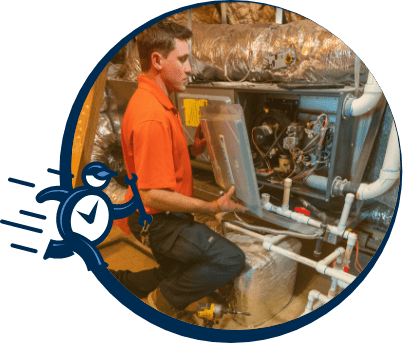
Heating Repair in Fort Worth You Can Trust
It can get quite cold here in Fort Worth during the winter months, so keeping up with furnace repair is essential to keeping your home comfortably warm throughout the season. If something doesn’t seem quite right with your heating system, our team will be happy to take a look.
Some common signs that you are due for home heating repair in Fort Worth include:
- Weak or no hot air flow from vents – If your furnace is running but your home still feels cold, weak airflow could point to clogged filters, blower motor issues, duct leaks, or a failing heating component. In Fort Worth, sudden winter cold fronts can quickly expose airflow problems that may have gone unnoticed during milder weather.
- System short-cycling or not coming on at all – A furnace that constantly turns on and off or refuses to start may be dealing with thermostat malfunctions, overheating issues, ignition failure, or electrical problems. North Texas homeowners often notice these issues first during rapid temperature drops common throughout the Fort Worth area.
- Strange noises coming from your furnace – Loud banging, rattling, squealing, or grinding sounds are never normal. These noises can indicate loose components, worn belts, motor failure, or airflow restrictions that can worsen over time if ignored. Fast repairs can help prevent more expensive furnace damage later.
- Unusual odors or leaks from your heating unit – Burning smells, musty odors, gas smells, or visible moisture around your furnace may signal overheating parts, dirty burners, clogged drain lines, or potentially dangerous heating system problems. If you notice strong gas odors or suspect a carbon monoxide issue, contact a professional immediately.
- Uneven heating throughout your home – If some rooms stay warm while others remain cold, your furnace may be struggling with airflow issues, ductwork problems, or declining heating performance. Many older Fort Worth homes experience uneven heating due to aging HVAC systems or poorly sealed ductwork.
- Rising heating bills during colder weather – A sudden increase in your monthly utility costs can be a sign your furnace is working harder than necessary to heat your home. Dirty components, worn parts, and aging systems can all reduce efficiency and increase energy usage during Fort Worth winters.
- Pilot light or ignition problems – If your pilot light keeps going out or your furnace struggles to ignite, the system may have issues with the thermocouple, gas supply, or electronic ignition components. Prompt repairs help restore reliable heating and prevent complete system breakdowns.
- Poor indoor air quality or excessive dust – A malfunctioning heating system can circulate dust, allergens, and dry air throughout your home. Dirty filters, damaged ductwork, and neglected furnace maintenance are common causes of poor indoor comfort in the Fort Worth area.
- Furnace constantly running without reaching the set temperature – If your heating system never seems to shut off, it may be losing efficiency or struggling to keep up with demand. This is especially common during freezing Fort Worth nights when furnaces are under heavier strain.
- Older furnace showing signs of wear – Furnaces that are 10–15 years old or older are more likely to develop repair issues, lose efficiency, and struggle during colder Texas weather. Routine inspections can help identify small problems before they lead to a complete heating failure.
If you notice any of those signs or anything else out of the ordinary, reach out to us right away for a service appointment. One of our expert technicians will come out to your Fort Worth home to inspect your system. We can then let you know the next steps for your furnace repair. When repairing furnaces, we always double-check our work and test everything to ensure it is working as it should. We’ll clean up after ourselves when we are finished as well.
For cases when repair is not possible or would not be cost-effective, we also provide furnace replacement and installation services. We’ll work closely with you to select a unit that can handle your home’s requirements while also fitting in your budget. Once your new furnace is installed, we’ll be on hand for any home heating repair needs you have going forward as well.
What to Expect from Furnace Repair in Fort Worth
When your furnace isn’t working as it should, prompt and professional repairs are essential to keep your home warm during the colder months. At On Time Experts, we make furnace repair easy and efficient for Fort Worth homeowners. Here’s what you can expect when you schedule a furnace repair service with us:
- Initial Diagnosis: One of our experienced technicians will arrive promptly at your home to assess the issue. We’ll listen to your concerns and inspect your furnace for signs of damage or malfunction, including checking for weak airflow, unusual noises, and any strange odors.
- Thorough Inspection: Using advanced diagnostic tools, we’ll thoroughly check your furnace, identifying any issues such as clogged filters, worn-out components, or faulty electrical systems. We’ll explain the problem to you in simple terms so you understand what’s going on with your system.
- Upfront Repair Plan: After identifying the issue, we’ll discuss your repair options with you, providing transparent pricing and explaining what steps need to be taken. We ensure that there are no hidden costs and that you’re fully informed before any work begins.
- Expert Repairs: Once you approve the repair plan, we’ll get to work fixing the issue. Our technicians come fully equipped to handle most common furnace problems on the spot, whether it’s fixing a broken part, replacing a filter, or repairing faulty wiring.
- Testing and Clean-Up: After completing the repair, we’ll test your furnace to make sure it’s working properly and efficiently. We’ll check that it’s heating your home effectively, cycling on and off correctly, and not causing any unusual noises or odors. Finally, we’ll clean up the work area so your home looks as neat as when we arrived.
- Follow-Up Care: We’re committed to your satisfaction, so we’ll provide any necessary advice on maintaining your furnace and preventing future issues. Should you need further assistance or follow-up repairs, our team is always ready to help.
Trust On Time Experts to handle your furnace repair in Fort Worth efficiently and professionally. With over 50 years of experience, we’re your reliable choice for heating repairs, ensuring your home stays warm and comfortable all winter long.
Same Day Furnace Repair in Fort Worth
On Time Experts is proud to have served Forth Worth for over 50 years. We truly value our clients and the community that we all share, and that dedication is evident in each and every job we complete. All of our expert heating technicians are highly trained to provide you with the best possible heating services and customer service. From the moment you get in touch with our team, you can have confidence that you and your home are in good hands.
We also offer certified furnace installations, maintenance and AC repair services!
For all fast and affordable furnace repair in Fort Worth, you can count on On Time Experts. Call us today to book your first service appointment with our team.

Fort Worth Furnace Repair Frequently Asked Questions
What are the signs that my furnace needs repair?
If your furnace is showing signs like weak or no hot air flow from vents, short-cycling (frequently turning on and off), making strange noises, emitting unusual odors, or leaking, it may be time to schedule professional heating repair. These problems are common during sudden winter cold fronts in Fort Worth when furnaces are working harder to keep homes comfortable.
How often should I have my furnace inspected?
Most HVAC professionals recommend scheduling furnace maintenance once a year before colder weather arrives. Annual inspections help improve efficiency, reduce breakdown risks, and extend the lifespan of your heating system. This is especially important for larger homes in Fort Worth neighborhoods like Westover Hills, Mira Vista, Rivercrest, Tanglewood, and Montserrat, where heating systems often run longer and support multiple zones.
What should I do if my furnace stops working in the middle of winter?
Start by checking your thermostat settings, circuit breakers, and air filter. If your furnace still will not turn on or produce heat, contact a professional heating repair company for same-day service. Quick response times are especially important during freezing North Texas temperatures to restore comfort and prevent further system damage.
Is it better to repair or replace my furnace?
The answer depends on the age of the furnace, repair frequency, and overall efficiency of the system. If your furnace is more than 15 years old, struggles to heat your home evenly, or requires repeated repairs, replacement may provide better long-term value and lower energy costs.
What does a furnace repair service typically include?
A professional furnace repair service typically includes a full system inspection, troubleshooting, repair or replacement of damaged components, airflow testing, thermostat calibration, safety checks, and performance testing to ensure reliable operation throughout the heating season.
Why is my furnace blowing cold air instead of heat?
A furnace may blow cold air because of thermostat issues, clogged air filters, ignition problems, overheating, pilot light failure, or blower motor malfunctions. In Fort Worth, many homeowners experience these problems during the first major cold snap of the season after months without using their heating system.
How long does a typical furnace repair take?
Most common furnace repairs can be completed in a few hours during the initial service visit. Issues involving ignitors, thermostats, filters, or sensors are usually repaired quickly, while larger component failures may require additional parts or follow-up service.
Contact Us Today

 View Specials
