
 View Specials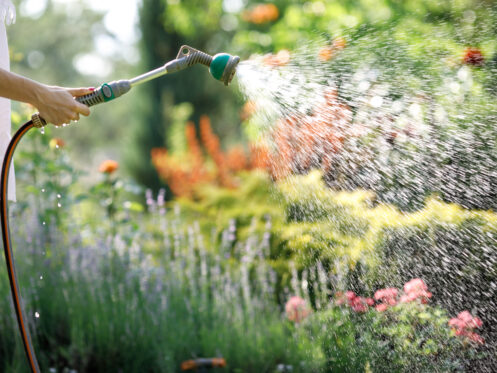
A higher summer water bill is not unusual in Dallas-Fort Worth. Hot, dry weather often leads to more lawn watering, pool maintenance, showers, laundry, and other household water use. However, a sharp increase that does not match your normal routine may point to a running toilet, leaking supply line, damaged underground pipe, or another plumbing problem.
Understanding the difference between expected seasonal use and a possible leak can help you decide what to check and when to call a plumber.
Why DFW Water Use Often Rises During Summer
Outdoor watering is one of the biggest reasons household water use climbs during a North Texas summer. The amount varies based on the size of the landscape, the irrigation system’s flow rate, the number of zones, and the watering schedule. Pools, car washing, guests, and more frequent laundry or bathing can add to the increase.
Weather and watering practices matter as well. Irrigating during especially hot or windy periods can increase evaporation and overspray. A sprinkler aimed at the driveway, an overly long schedule, or excessive water pressure may send water somewhere it does not benefit the landscape.
Before assuming you have a plumbing problem, compare the usage shown on your current bill with previous months and the same period last year. Look at gallons used, not just the amount due, since water rates, service charges, and billing-cycle length can affect the total cost.
When a Summer Water Bill Spike May Not Be Normal
A sudden increase deserves a closer look when your household size, outdoor watering schedule, and other water-use habits have stayed about the same. You may also notice a toilet refilling when no one has used it, damp areas indoors, unexplained pooling in the yard, reduced water pressure, or meter activity when all intentional water use has stopped.
None of these signs identifies the source on its own. For example, an automatic pool fill, water softener, ice maker, or irrigation controller may use water when no faucet is open. The goal is to determine whether the increase has a reasonable explanation or whether water may be escaping somewhere it should not.
Running Toilets and Fixture Leaks
Some leaks hide in plain sight. A toilet can allow water to pass quietly from the tank into the bowl and refill periodically without producing an obvious puddle. A deteriorated flapper, faulty fill valve, incorrect float setting, or sticking handle may be responsible.
Faucets, showers, and supply connections can also leak because of worn cartridges, washers, seals, valves, or fittings. Water heaters may leak from supply connections, valves, drain fittings, or the tank itself. Even a relatively small leak adds to daily consumption, while a severely leaking toilet can waste far more. EPA WaterSense reports that a leaky toilet may waste about 200 gallons per day.
If a toilet continues to run or refill unexpectedly, professional toilet repair can address the failed component and confirm that the fixture is operating correctly.
Irrigation Problems That Waste Water
Summer water use can climb quickly when an irrigation system has a broken head, leaking valve, damaged line, or poor spray pattern. Run each zone briefly and watch for heads that do not rise, water bubbling from the soil, misting caused by excessive pressure, overspray onto pavement, or an area that remains unusually wet.
According to EPA WaterSense, one broken or missing irrigation component could waste as much as 1,000 gallons per week. Programming errors can also create unnecessary use if the system runs too often or for longer than the landscape requires.
Plumbers can help determine whether unexplained meter activity appears to involve the home’s plumbing or an outdoor water line. Problems isolated to sprinkler heads, irrigation valves, or system controls may require a properly licensed irrigation professional.
Slab Leaks and Underground Plumbing Problems
Leaks beneath a foundation or elsewhere underground can be difficult to recognize because the escaping water may not appear where the pipe is damaged. North Texas soil expands and contracts as moisture conditions change. That movement may place stress on foundations and buried plumbing, particularly when pipes are already deteriorated, poorly supported, or otherwise vulnerable.
Possible warning signs include an unexplained warm or damp area on the floor, the sound of water moving when fixtures are off, reduced water pressure, musty odors, or unexpected meter activity. Cracks in walls or flooring can have many structural or cosmetic causes and should not be treated as proof of a plumbing leak.
If you suspect a problem below the foundation, avoid digging or opening floors in an attempt to locate it yourself. Professional slab leak detection and repair can narrow down the source and determine what access may be needed.
How to Check for Possible Water Loss
A basic meter check can tell you whether water is still flowing when you expect everything to be off. Follow these steps:
- Stop all intentional water use inside and outside the home.
- Make sure faucets, washing machines, dishwashers, irrigation zones, pool-filling equipment, and other water-using devices are not operating.
- Record the water-meter reading or take a clear photo of it.
- Wait without using water, then check the meter again.
- Note any change in the reading or movement on the leak indicator.
Continued movement means water is flowing somewhere on the property, but it does not reveal where or why. Check for an automatic appliance or scheduled outdoor system before concluding that you have a leak. You can also listen for toilets refilling, look beneath sinks and around the water heater, and note damp or unusually green areas in the yard.
How Professional Leak Detection Works
When the source remains unclear, a licensed plumber can inspect the plumbing, test fixtures, evaluate water pressure, and isolate different parts of the system. Depending on the suspected problem, the plumber may use pressure testing, acoustic listening equipment, thermal imaging, moisture meters, or camera inspection.
These minimally invasive methods can help narrow down a leak’s likely location and reduce unnecessary disruption. However, limited access through a wall, floor, or slab may still be necessary to confirm or repair some problems. By combining test results, visible evidence, and specialized equipment, the plumber can explain the findings and recommend repair options suited to the leak’s type, location, and severity.
Prompt professional leak detection and repair is especially important if you notice active water damage, a rapidly changing meter, loss of water pressure, or signs that water may be affecting floors or walls.
Find the Cause of Your High Water Bill With On Time Experts
A summer increase does not always mean something is wrong, but an unexplained jump in water usage deserves attention. Running toilets, leaking supply lines, damaged underground pipes, and slab leaks can continue wasting water even when the problem remains out of sight.
On Time Experts provides professional leak detection and plumbing services throughout Greater Dallas-Fort Worth. Our licensed plumbers use targeted diagnostic methods to investigate suspected leaks, explain what they find, and provide up-front repair options backed by written guarantees.
Contact On Time Experts today to schedule leak detection or plumbing repair in Dallas, Fort Worth, Plano, Garland, or another community in our DFW area!