
 View Specials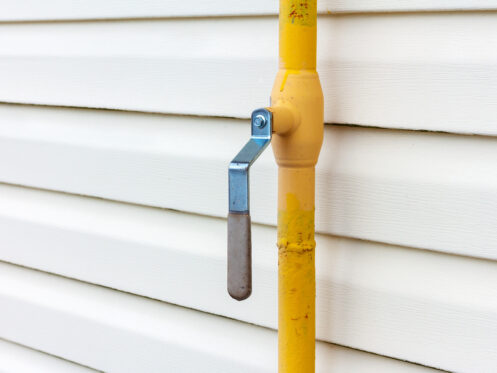
Natural gas is one of the most commonly used energy sources in Texas homes, powering appliances like furnaces, water heaters, stoves, and dryers. While it’s reliable and efficient, many homeowners don’t fully understand how their gas system works or how to recognize potential issues. Knowing the basics can help you stay safe and make informed decisions about maintenance and repairs.
How Your Home’s Gas System Works
Natural gas enters your home through a main supply line connected to your local utility provider. It flows through a meter that tracks usage for billing, then moves into your home’s internal piping system.
These pipes are typically made from materials such as steel, black iron, copper, or flexible stainless steel tubing (CSST). A pressure regulator ensures the gas flows at a safe and consistent level, since too much or too little pressure can affect appliance performance.
Each appliance connects to the system individually, and shut-off valves are usually located at the main entry point and near each appliance for safety.
Main components of a gas system include:
- Supply lines
- Shut-off valves
- Pressure regulators
- Gas meter
Signs of a Gas Leak (and What to Do)
Gas leaks are not common, but they require immediate attention. Natural gas is odorless, so utility companies add a chemical called mercaptan to create a sulfur or “rotten egg” smell that makes leaks easier to detect.
Other warning signs may include hissing sounds near gas lines, unexplained increases in gas bills, or dead vegetation above underground lines. Some people may also experience symptoms such as headaches, dizziness, or nausea.
Signs to watch for include:
- Rotten egg odor
- Hissing sounds near pipes or appliances
- Headaches or nausea indoors
- Unexpected increases in gas bills
- Dead vegetation near gas lines
If you suspect a gas leak, leave the home immediately and move to a safe location. Avoid using light switches, appliances, or devices that could create a spark. Once outside, contact your gas utility provider or emergency services.
When to Call a Professional (Not DIY)
Gas line work is not a DIY project. Improper installation or repair can create serious safety risks. Licensed professionals have the tools and training needed to perform inspections, pressure testing, and repairs safely.
In addition to emergency situations, it’s a good idea to call a professional if you notice ongoing performance issues with gas appliances, suspect a small leak, or are planning to modify your system.
Gas Line Repair vs. Replacement
Whether a gas line should be repaired or replaced depends on factors such as the material, age, and extent of damage. Minor issues like small leaks or isolated corrosion may be repairable, while more widespread damage may require replacement.
Older piping or significant corrosion can increase safety risks, and replacement may be recommended in those situations. Newer materials may offer improved durability and performance.
It’s also important to understand responsibility. In most cases, utility companies maintain the main supply line, while homeowners are responsible for gas lines within their property.
Upgrading Gas Lines for New Appliances
When installing new gas appliances, your existing gas lines may need to be evaluated. Modern equipment often has different gas flow requirements than older systems.
If a gas line is undersized, it can affect performance and efficiency. For example, tankless water heaters often require larger gas lines than traditional tank models.
A professional can assess your system and recommend any necessary upgrades.
Gas line upgrades may include:
- Installing larger piping for increased gas flow
- Adding new branch lines for additional appliances
- Installing regulators or valves for pressure control
Annual Gas Line Inspection: Why It Matters in Texas
Texas homes are often affected by shifting soil, temperature changes, and weather conditions that can impact underground and indoor gas lines. Over time, these factors may contribute to wear or damage.
Routine inspections can help identify potential issues early. During an inspection, a technician may check for leaks, corrosion, and proper function of valves and fittings. Pressure testing may also be performed to confirm system integrity.
Regular maintenance helps reduce the risk of unexpected problems and supports safe operation.
What to Expect During a Gas Line Service
When you schedule gas line service in Fort Worth, a technician will evaluate visible piping, connections, and system components. Specialized tools may be used to detect leaks and assess performance.
This process helps identify issues early and provides clear recommendations for any needed repairs or upgrades.
Schedule Gas Line Service in Fort Worth
If you have concerns about your gas lines or want a professional inspection, working with a licensed technician is the safest approach.
On Time Experts is a trusted plumbing company in the Fort Worth area providing gas line repair, installation, replacement, and inspection services. Contact us today to schedule an appointment and keep your home’s gas system operating safely.