
 View Specials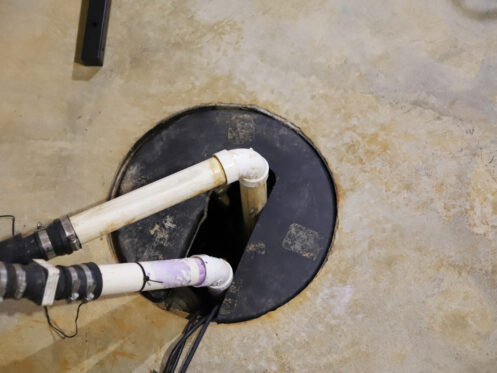
After a heavy North Texas storm, some homeowners notice water pooling near the foundation, damp crawl spaces, or areas of the yard that stay soggy long after the rain stops. In some homes, that water eventually finds its way into low areas around the structure where drainage becomes more difficult.
Sump pumps can play an important role in properties where water tends to collect near the foundation or underneath the home. The key is understanding when a sump pump actually makes sense and whether yours is ready to work when the next storm arrives.
Why Some Texas Homes Need Sump Pumps
Most homes in the Dallas-Fort Worth area are built on slab foundations rather than full basements. However, that does not mean water intrusion problems cannot happen.
Some homes are more likely to deal with drainage issues because of:
- Low spots near the property
- Poor yard grading
- Crawl spaces
- Heavy clay soil
- Water pooling near the foundation
- Sloped lots directing runoff toward the home
- Older drainage systems
North Texas clay soil can hold moisture for long periods after heavy rain. If runoff is not draining away properly, water may begin collecting around low areas of the property instead of dispersing naturally.
In these situations, a sump pump may help move water away before it creates moisture problems around the home.
How a Sump Pump Works
A sump pump is designed to move collected water away from the home before it has a chance to build up around the structure.
As water enters the sump pit, a float switch rises with the water level. Once the water reaches a certain point, the pump activates and pushes the water away from the property through a discharge line.
When operating properly, the process is fairly automatic. During heavy storms, homeowners may occasionally hear the pump cycling on and off as water levels rise and fall.
Signs Your Sump Pump May Not Be Working Properly
Sump pumps often show warning signs before failing completely.
Common signs of trouble may include:
- Pump humming without clearing water
- Louder operation than normal
- Visible rust on the pump body
- Water marks or dampness near the area
- Musty odors near the sump pit
- Frequent cycling during light rain
- Breaker trips when the pump turns on
Many homeowners do not realize there is a problem until the system is under heavy stress during a storm. Catching these warning signs early may help reduce the risk of water intrusion later.
Why Drainage Around the Home Still Matters
A sump pump should not be treated as the only line of defense against water problems.
If gutters overflow, downspouts discharge too close to the house, or the yard slopes toward the foundation, the sump pump may end up handling more water than it should.
Strong drainage systems work together. Gutters move water off the roof, grading directs runoff away from the structure, and the sump pump helps remove water that still collects in lower areas.
When one part of that system is not working properly, the others often feel the strain.
Related post: Do Sump Pumps Require Maintenance?
Why Backup Power Matters During Texas Storms
Heavy storms and power outages often happen at the same time in North Texas. Unfortunately, that can also be the exact moment a sump pump is needed most.
Without backup power, the pump may stop operating during severe weather events when water levels are rising quickly around the property.
Battery backup systems can help provide additional protection during outages by allowing the sump pump to continue operating even if the home’s main power supply goes down temporarily.
When It May Be Time for a Professional Inspection
If your property experiences standing water after storms, damp crawl spaces, recurring moisture problems, or signs that the sump pump is struggling, a professional inspection may help identify the underlying issue.
In some homes, the problem may involve the sump pump itself. In others, drainage design, grading, clogged discharge lines, or runoff management may be contributing to the issue.
Evaluating the entire drainage setup often provides a clearer picture than looking at the sump pump alone.
Protect Your Home From Water Problems
Not every Texas home needs a sump pump, but properties with drainage challenges, crawl spaces, or recurring moisture concerns may benefit from having one properly installed and maintained.
At On Time Experts, we provide sump pump services, plumbing inspections, drainage solutions, and water management services for homeowners throughout the Dallas-Fort Worth area. Contact us today to schedule an inspection before the next major storm arrives.