


 View Specials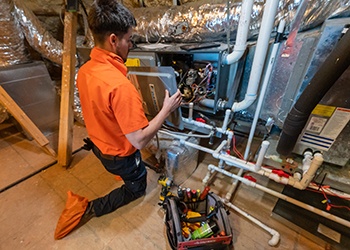
A strange furnace smell can be alarming, especially when it’s hard to tell whether it’s harmless dust burning off or a sign of a serious problem. Some odors are normal during the first heating cycles of the season, while others indicate overheating components, electrical issues, or airflow problems that require immediate attention. In Dallas, TX, On Time Experts helps homeowners understand which furnace smells are safe to monitor briefly and which ones mean it’s time to shut the system down and call a professional.
Why Furnaces Produce Smells When Heating Starts
When a furnace sits idle for months, dust naturally settles on internal components such as burners, heat exchangers, and air passages. Once the heat turns on, that dust warms up and produces a dry, slightly burnt odor. This smell is most common during the first few heating cycles of the season and should fade quickly as the dust burns away.
A normal startup smell is usually mild and short-lived. You may notice it near supply vents or in rooms closest to the furnace, but it should disappear within minutes. The air should never feel sharp, heavy, or irritating. If the smell fades and does not return during subsequent cycles, it is usually harmless. If it keeps coming back or grows stronger, something else may be causing it.
What a Normal Burning Smell Usually Indicates
A typical furnace burning smell is often described as dusty, dry, or slightly musty. It does not resemble burning plastic, wiring, or chemicals. Homes with pets, recent remodeling, or higher dust levels may notice this odor more prominently at the start of the season.
This smell should clear quickly. If it lingers or spreads aggressively throughout the home, airflow issues may be involved. Dirty air filters, blocked return vents, or dust buildup on blower components can trap heat inside the system. That trapped heat intensifies odors and allows them to circulate longer than expected.
Electrical Smells Are Not Normal
Electrical smells are sharper and more concerning than normal furnace odors. Many homeowners describe them as similar to burning plastic, melted insulation, or hot wiring. These smells do not fade with time and often become stronger the longer the furnace runs.
Electrical odors can come from overheating wires, failing motors, loose electrical connections, or stressed control boards. Sometimes the smell is strongest near the furnace cabinet; other times it travels through the ductwork. Any odor that resembles plastic or hot electronics should be treated as a warning sign and not ignored.
How Timing and Location Help Identify the Cause
When and where a smell appears can provide helpful clues. A dusty startup smell usually happens right when the furnace first turns on and fades quickly. Electrical smells tend to build as the system runs and may worsen during longer heating cycles.
If the odor is strongest near the furnace itself, an internal component may be overheating. If it is more noticeable at certain vents, ductwork or airflow issues may be contributing. Smells that appear randomly after weeks of normal operation deserve extra caution, especially if accompanied by flickering lights, tripped breakers, or unusual noises.
Why Airflow Problems Can Intensify Furnace Smells
Restricted airflow can make even mild odors feel overwhelming. When warm air cannot circulate properly, heat builds up inside the furnace and duct system. That excess heat strengthens odors and prevents them from dissipating.
Dirty filters, blocked vents, closed interior doors, or damaged ductwork can all reduce airflow. Poor airflow also forces internal components to work harder, increasing the risk of overheating motors and electrical connections. Correcting airflow issues often improves both comfort and indoor air quality.
When You Should Turn the Furnace Off
Some smells require immediate action. If you notice a strong electrical odor, visible smoke, or a smell that irritates your eyes or throat, turn the furnace off right away. Electrical problems can escalate quickly and increase the risk of damage or fire.
A light, dusty smell that fades within minutes typically does not require shutting the system down. However, if any smell persists beyond a short startup period or returns with every cycle, stop using the furnace and schedule service.
The Importance of Professional Inspection
Furnaces contain multiple systems working together, and smells alone cannot pinpoint the exact cause. A trained technician can safely inspect electrical connections, motors, wiring insulation, airflow, burners, and heat exchangers.
Professional inspection helps resolve the root issue rather than masking symptoms. Addressing problems early often prevents breakdowns, safety hazards, and costly mid-winter repairs.
Knowing the Difference Helps Keep Your Home Safe
Understanding the difference between normal furnace odors and electrical warning signs helps you respond appropriately. Dust burning off at the start of the season is common and temporary. Sharp, plastic-like, or persistent smells are not.
Paying attention to timing, location, and system behavior can help you identify problems early and avoid unnecessary risk.
Trust Your Nose and Act Quickly
If a furnace smell is light, dusty, and disappears quickly, it may simply be normal seasonal burnoff. If the odor smells electrical, plastic-like, sharp, or keeps returning, treat it as a warning sign and turn the system off. On Time Experts offers furnace inspections, heating repairs, airflow diagnostics, thermostat checks, and seasonal maintenance to keep your system operating safely. Contact On Time Experts today to get clear answers and peace of mind.