


 View Specials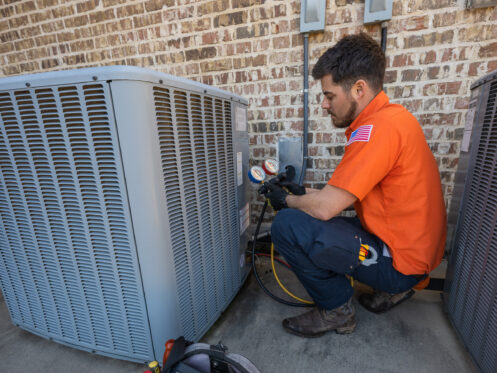
Texas heat can be brutal. When triple digits set in, the power grid and your HVAC system become strained.
At On Time Experts, we know how fast conditions can change during a Texas heat wave. We have created this guide to help our customers prepare before the extreme heat and potential outages occur. This guide will help you stay cool during heat waves and recover quickly once the danger passes.
Why Preparation Matters
With temperatures soaring well above 100 degrees Fahrenheit and humidity levels climbing, Texas homes without air conditioning can become dangerously hot. Young children and the elderly are the most vulnerable, but anyone can succumb to the heat without proper protection. Even short periods of extreme heat exposure can become life-threatening.
When power outages hit during heat waves, the dangers increase significantly. HVAC systems and fans shut down, and indoor air quality can quickly deteriorate. Prepping your HVAC system and home now can protect your family and keep them comfortable and free of danger.
How Heat Waves Impact HVAC Systems
Higher-than-normal temperatures force HVAC systems to work much harder. During a heat wave, your air conditioner could run nonstop for hours, attempting to keep up with the temperature demands. The constant running puts undue pressure on the motors, compressor, and coils. Your HVAC system could suffer from overheating, especially if it is not well-maintained.
Prepare Your HVAC System Before a Heat Wave
Schedule a Professional HVAC Inspection
Routine maintenance is the first line of defense against unexpected HVAC problems. Our licensed technicians can perform a full system check before the hottest months begin. We can ensure your air conditioner is ready to offer maximum performance.
First, we perform a system inspection that checks all the components for signs of wear and tear. We also check and tighten the electrical connections, which can loosen over time due to system vibrations.
Our team will verify the system’s proper startup, operation, and shutdown. We will ensure there are no blockages or imbalances in the ductwork or vents. Proper airflow is critical for keeping your home cool.
Next, we check the refrigeration system to ensure proper levels and pressure. Without the correct levels, your air conditioner cannot transfer heat appropriately. Additionally, we clean and lubricate specific parts to keep the air conditioner performing effectively and efficiently.
These steps allow us to find minor problems before they cause significant concerns. Catching small problems now will help you avoid untimely breakdowns during heat waves.
Upgrade Your Thermostat
Smart thermostats have become more than a luxury for many homeowners. They allow you to monitor and adjust indoor temperatures remotely during heat waves. Some models can even send you alerts if the indoor temperatures rise too high. They can help you avoid catastrophic system failure.
Set your thermostat a little higher when away from home to help reduce the strain. Every degree you raise the temperature can help cut your cooling costs and reduce the chances of system overload.
Seal and Insulate Your Home
Even the best HVAC systems will struggle in a poorly insulated home. Check your windows and doors for cracks that could lead to tremendous air losses. Use weather stripping, caulk, or insulation to help seal gaps and keep your AC from working harder than necessary.
Additionally, you can use light-blocking thermal blinds and curtains to help prevent heat transfer from the sun’s rays. These can also help reduce the load on your air conditioner.
Preparing for Power Outages
Here are some tips to help you prepare for power outages without compromising safety.
Install a Backup Generator
A whole-house generator is one of the best ways to keep your HVAC system running during a power outage. Standby generators come on within a few seconds of the grid going down. They allow your AC, fridge, and lights to operate during power outages.
If you cannot afford a whole-house generator, opt for a smaller, portable one. Although it won’t run your central air conditioner, it can power the lights and fans, providing some comfort.
Prepare Alternative Cooling Methods
Your home can heat up fast if you lose power. Depending on your home and insulation, indoor temperatures could rise 10 degrees higher than the outdoors, making it unbearably hot. Consider these methods to stay cool:
- Battery-powered fans
- Frozen cold packs
- Frozen water bottles
- Cold showers
Since heat rises, you should stay on the lowest levels of your home to stay cooler. If temperatures rise above 85 indoors for an extended time, seek shelter at a safe location.
Heat-related illnesses can rise quickly, putting lives in danger. Older people and children are most vulnerable. Knowing the warning signs of health dangers is essential.
- Dizziness
- Cool, clammy skin
- Rapid heartbeat
- Confusion or agitation
- Headache
- Heavy sweating
- Extreme thirst
- Muscle cramps
- High body temperature
- Pale skin
These signs can mean a serious heat-related illness. Take immediate action, including placing cool, wet rags and towels against the person’s skin. Call 911 to receive immediate medical treatment!
Post-Outage HVAC Recovery
When the power comes back on, you should take a few steps to restore cooling comfort. Sudden demands can shock your HVAC system and cause further problems. Here is how to proceed safely.
Restart the HVAC Equipment Slowly
Resist the urge to crank up the AC! You should wait at least 15 minutes after power restoration to restart the air conditioner. Waiting allows your system to reset and stabilize voltage levels to prevent problems.
Turn on your fans first to begin circulating air. Although fans do not cool the air, they create a wind chill effect that makes you feel cooler.
Set your thermostat a few degrees higher than normal. Make adjustments gradually over the next one to two hours to allow the system to recover.
Check for Damage
Listen for unusual sounds when your air conditioner powers on. If you hear strange noises or the system does not cool normally, we can perform an inspection and check for signs of problems.
If you smell burning, shut the system down immediately and call for service. Sudden shutdowns due to power outages can cause problems for your AC, including compressor pressure imbalances, blower motor damage, and system overloads.
Stay Ready, Stay Cool
Despite best efforts to prevent them, heat wave-related power outages have become common during Texas summers. Although you cannot prevent outages, preparation can reduce your family’s risks and help maintain comfort.
A well-maintained HVAC system is your best defense against summer’s ravaging heat. Prepping well before the next heat wave arrives helps. On Time Experts is here to partner with you to protect your HVAC system.
We opened our doors in 1965 and changed our name in 2014 with new ownership. We are a full-service HVAC and plumbing company in the Dallas-Fort Worth area offering various services, including installation, maintenance, and repairs. Our AC tune-up services ensure your system is ready for the onslaught of summer heat. An annual tune-up protects your system from breakdowns that leave your family uncomfortable.
Call our expert HVAC technicians at On Time Experts if you need to schedule service!