


 View Specials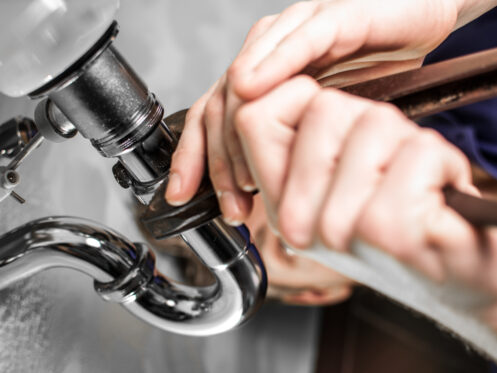
Plumbing systems are much more complex than most people realize and have a variety of different components that all serve an essential purpose. One of the most important components for ensuring a plumbing system works properly is plumbing vents. Plumbing vents also play a crucial role in maintaining a healthy indoor environment.
What Are Plumbing Vents?
Plumbing vents are a crucial part of drain and sewer systems. The drain pipe for each sink, shower, and toilet runs from the fixture at a downward angle and eventually connects to a large, vertical pipe known as the plumbing stack.
The bottom end of the plumbing stack extends below the home’s foundation, where it ties into the main sewer line. The top part of this pipe is known as the vent stack, which runs up through the attic and then extends at least 12 inches above the roof.
Some homes just have a single plumbing stack and vent pipe. Larger homes or houses with certain layouts may have multiple vent pipes. There are even some situations when individual fixtures, like toilets, each have their own vent pipe sticking through the roof.
The Role Vents Play in Ensuring a Plumbing System Works Properly
Plumbing vents serve two different but equally important purposes. The first is just to make certain that the plumbing system has proper airflow, which is essential for ensuring it always works correctly and every fixture drains properly.
Whenever you flush a toilet or use any other plumbing fixture, the force of the water moving through the drain system causes air to get pulled in through the vent pipe. This air prevents the water from potentially creating a vacuum within the drain system. If a vacuum were to form, it would cause water to get trapped and prevent the system from draining correctly.
Not only does this type of issue lead to slow drains, but it can also easily cause drain and sewer line clogs. The issue when water moves through a drain and sewer system more slowly than it’s supposed to is that it often results in solid items like toilet paper and waste getting left behind. This creates an obstruction that traps other solids and eventually leads to a clog.
How Ventilation Prevents Sewer Gases From Leaking Into the House
The second purpose of a plumbing vent is to allow potentially harmful sewer gases to flow outside instead of escaping into the house. Plumbing systems are full of sulfur-reducing bacteria that feed on and break down all of the organic material present in drain and sewer pipes. As the bacteria feed, they convert sulfates in the organic material into hydrogen sulfide, commonly known as sewer gas.
Hydrogen sulfide is toxic in high concentrations, and even fairly low concentrations can cause issues like headaches, dizziness, nausea, etc. Another major concern is that hydrogen sulfide is extremely flammable and could easily cause the house to catch fire. Drain and sewer systems also contain other harmful or dangerous gases like methane.
That’s why it’s important that the sewer gas has a way to flow outside, which is where plumbing vents come in. Without proper ventilation, sewer gas would end up flowing out of sink drains, showers, and toilets, potentially making everyone in the house sick.
The Role of P-Traps in Blocking Sewer Gas
P-traps are another essential component in a sewer system that also helps ensure sewer gas can’t escape and leak into the house. A P-trap is a special piece of pipe that is required to be installed underneath every drain and plumbing fixture.
The trap has a U- or P-shaped bend in it that is designed to constantly hold a small amount of water. This water fully blocks off the bend, creating a seal that prevents gases from flowing up through the trap and out of the drain.
If you ever notice a sewage or rotten egg odor emanating from a drain, it usually means that the P-trap is dry and thus not sealed off. This can easily happen if a plumbing fixture isn’t used for some time due to all of the water in the trap eventually evaporating. That’s why you want to make sure you occasionally pour some water down any plumbing fixtures that rarely get used to prevent the trap from drying out.
Strong winds also have the potential to cause P-traps to go dry. What happens is that the wind can travel down into the plumbing system through the vent pipe and basically cause water to slosh out of the trap so that it’s no longer fully sealed off.
The plumbing vent also plays an essential role in making sure all of the P-traps in a home remain full of water. Sufficient air may not get drawn into the plumbing system due to the system not being properly ventilated or the vent being blocked. If so, the vacuum that results will often suck the water straight out of some or all of the P-traps. This is obviously a concern since it would result in sewer gas leaking out into various parts of the house.
How to Spot the Signs of Improper Plumbing Ventilation
The fact that proper ventilation is so important for maintaining a healthy environment and ensuring your plumbing works correctly means it’s crucial that your home’s ventilation always works as it should. Plumbing ventilation issues are somewhat rare, but they can occur and create major problems for your home.
The most common issue is that the vent pipe on the roof gets clogged or obstructed with leaves and debris. Birds can also decide to build a nest on top of the vent and clog it. Plumbers even encounter situations where wasps have built nests inside of the vent pipe, causing it to become clogged and not work properly.
Many of the signs of a clogged plumbing vent or improper ventilation can also happen because of an issue with your sewer line, such as it being clogged, broken or having tree roots growing inside of it. This includes things like slow drains, sewage odors, gurgling noises coming from drain pipes and sewage backups. As such, you’ll need to hire a plumber to determine whether the issues you’re experiencing are related to your plumbing vent or sewer line.
There are also certain issues that are almost always a sign of improper plumbing ventilation. One thing you may encounter is bubbles in the toilet bowl water or the toilet occasionally making a burping sound. These issues happen because the sewer gases are trapped and can’t flow outside, resulting in them flowing up through the toilet.
Another thing to watch for is the water in a toilet bowl slowly draining away. This issue usually means that a vacuum has formed in your plumbing system and is causing water to get pulled out of the toilet.
Contact Us Today
The experts at On Time Experts are always ready to help you overcome any issues with your home’s plumbing, drain and sewer system. We’ve been in business since 1981 and are proud to be one of the most trusted plumbing companies in the Dallas-Fort Worth area. We offer a same-day service guarantee, ensuring you can quickly get the help you need, no matter when you call.
To schedule a plumbing inspection or any other service, contact us today.