


 View Specials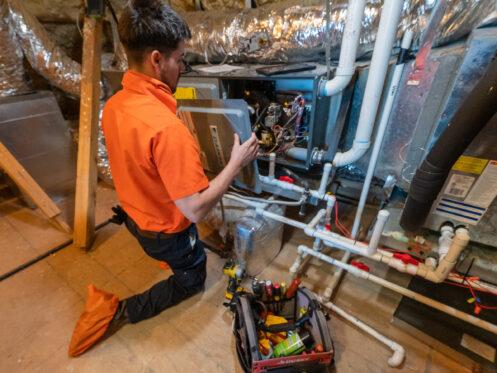
When you’re shopping for a new HVAC system, energy efficiency should be one of the first things you look at. A more efficient system uses less energy to heat and cool your home, which helps reduce your monthly utility bills and lowers your carbon footprint. But with so many ratings and labels out there, how do you know which ones actually matter?
Fortunately, each HVAC system comes with standardized efficiency ratings that make it easier to compare options. Let’s take a closer look at what those ratings mean, especially in a climate like Texas.
SEER2 (Seasonal Energy Efficiency Ratio)
SEER2 ratings apply to installing air conditioners and heat pumps. This number tells you how efficiently the unit cools your home over an entire season. In Texas, where long, hot summers are the norm, SEER2 is one of the most important ratings to consider.
SEER2 ratings typically range from 13 to 25, with higher numbers indicating better efficiency. The legal minimum in Texas is 14.3, but many HVAC pros recommend choosing a system rated 15.2 or higher to ensure lower energy usage.
This rating is calculated by dividing the total cooling output during a typical season by the total energy the system uses in watt-hours. It gives a more realistic look at system performance across varying outdoor temperatures.
EER (Energy Efficiency Ratio)
Unlike SEER2, which measures seasonal efficiency, the EER rating evaluates how efficiently a system runs at a specific temperature, usually 95°F. That makes it especially helpful for Texas homeowners looking to understand performance during peak heat.
If you’re comparing systems with similar SEER2 ratings, always check the EER too. A higher EER means better efficiency during those extreme summer afternoons.
IEER (Integrated Energy Efficiency Ratio)
IEER ratings are more common for commercial systems but may apply to larger residential units. This rating shows how efficiently a system performs at varying loads: 25%, 50%, 75%, and 100% capacity.
That’s useful information in Texas, where daily temperatures—and cooling demand—fluctuate. An IEER rating gives you a broader picture of real-world performance.
HSPF (Heating Seasonal Performance Factor)
If you’re considering a heat pump, check the HSPF rating. This measures the unit’s heating efficiency over the winter season. Since many Texas homeowners use heat pumps for both heating and cooling, this rating matters.
A new heat pump must have an HSPF of at least 8.2. Models rated 9 or higher provide even better efficiency and greater long-term savings.
AFUE (Annual Fuel Utilization Efficiency)
AFUE applies to gas furnaces and measures how much fuel gets converted into usable heat. For example, a furnace with a 90% AFUE rating turns 90% of the gas into heat, while the other 10% escapes through the exhaust.
Older furnaces often have AFUE ratings of 70% or less. Installing a new furnace that’s a high-efficiency model can significantly reduce heating costs, especially during cooler Texas winters.
COP (Coefficient of Performance)
COP is another rating you’ll see with heat pumps, including some geothermal systems. It measures how much heating or cooling the system delivers for each unit of energy it consumes.
For example, a COP of 4 means the system produces four times more heat than the energy it uses. A higher COP equals better performance and greater savings. If the COP isn’t listed, check with the manufacturer for details.
ENERGY STAR® Certification
Always look for the ENERGY STAR label when buying HVAC equipment. These systems meet strict efficiency standards set by the U.S. Environmental Protection Agency.
ENERGY STAR–certified systems often have higher SEER2, EER, HSPF, or AFUE ratings than standard models. They help reduce energy bills and environmental impact, and they often qualify for rebates, tax credits, or utility incentives.
Ways To Increase HVAC Efficiency
Efficiency ratings are important, but they aren’t the only factor. No matter which system you choose, these simple steps can help it perform more efficiently all year long:
Change the Filter Regularly
A clogged air filter restricts airflow, which forces your system to work harder and use more energy. Replace your filter every 1 to 3 months, or every 2 weeks if you’re using a ductless system. This small habit can make a big difference in system performance and lifespan.
Schedule Annual Tune-Ups
Like a car, your HVAC system needs regular heating and AC maintenance to stay efficient. During a tune-up, we’ll clean critical components, inspect for wear, and ensure everything’s working smoothly. This helps avoid breakdowns and improves seasonal efficiency.
Need Help Choosing the Right System?
At On Time Experts, we’ll walk you through your options so you can choose the most efficient HVAC system for your home. We handle installations, repairs, and ongoing maintenance to help you save energy and stay comfortable in every season.
Call On Time Experts today to schedule HVAC services in Dallas, TX.