


 View Specials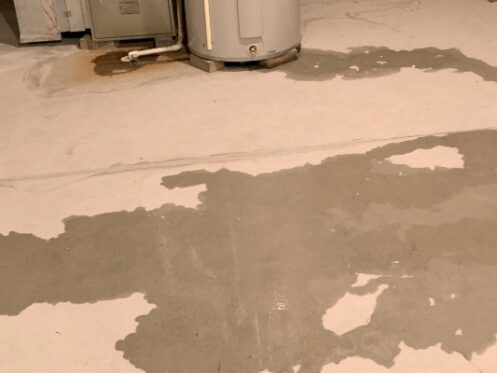
Winter in the Dallas–Fort Worth, TX area can be tough on plumbing, especially when freezing temperatures occur. Plumbing usage also tends to increase during the holidays, placing additional strain on pipes. As a result, leaks can develop and potentially damage walls, floors, ceilings, and personal belongings. Taking a few preventive steps can help you identify plumbing leaks early and protect your home from costly water damage.
Monitor Your Monthly Water Bills
Pay close attention to your water bills for unexpected increases. While higher usage may be due to holiday gatherings or longer showers, it can also signal a leak. Comparing current bills to past usage can help you determine whether something is wrong. The sooner you identify a potential issue, the sooner you can address it before the damage worsens.
You can also check your water meter for signs of a leak. If the meter is moving when no water is being used in the home, this typically indicates a leak somewhere in the plumbing system.
Set Up Smart Water Leak Detectors
Smart water leak detectors are an effective way to identify leaks even when you’re away from home. These devices send alerts to your phone or smart device when moisture is detected, allowing you to respond quickly and reduce the risk of significant water damage.
Leak detectors are easy to install near common problem areas, such as sinks, water heaters, washing machines, and dishwashers. Our team can recommend detector options that suit your home, preferences, and budget.
Pay Attention to Bad Odors
A persistent damp or musty smell can be an early sign of mold growth caused by a hidden leak. This issue is often more noticeable in winter, when windows and doors remain closed for extended periods. Pay close attention to areas where leaks commonly occur, such as bathrooms, kitchens, and laundry rooms.
Plumbing leaks—especially those hidden behind walls—should never be handled as a DIY project. Mold can begin growing within 24 to 48 hours and may spread quickly if left untreated, leading to health concerns and structural damage.
Look for Visible Mold
In some cases, mold may be visible rather than hidden. Inspect areas around plumbing fixtures for discoloration or dark spots, even if you don’t notice an odor. Common places to check include around water heaters, behind dishwashers, and inside or behind bathroom vanities.
If you spot mold, contact a professional right away instead of attempting to remove it yourself. If a plumbing leak is the cause, the issue may extend beyond what’s visible. Our plumbers can locate the source of the leak and recommend the appropriate next steps for repair and mold remediation.
Inspect Visible Pipes
Inspect exposed pipes under kitchen and bathroom sinks, as well as near water-using appliances. Slow drips or condensation may be easy to overlook, but even minor leaks can worsen quickly and cause extensive damage.
Check for obvious issues such as corrosion, cracks, or pinhole leaks, and examine less noticeable areas like valves and pipe joints. Using a flashlight can help you see moisture or deterioration more clearly.
Be sure to inspect areas you don’t visit often, including crawlspaces, garages, attics, and utility closets.
If you suspect a leak but aren’t certain, try placing a clean, dry rag beneath the pipe or appliance. Use the fixture as normal and check the rag after a few hours. Any moisture can indicate a leak.
Schedule a Professional Plumbing Inspection
Scheduling a professional plumbing inspection is one of the most effective ways to detect leaks early. During an inspection, our plumbers evaluate water-using appliances, visible pipes, and areas beneath sinks.
After the inspection, we’ll review our findings with you and recommend repairs or replacements if needed. If mold is present, prompt professional remediation is essential to protect both your health and your home.
Look for Water Stains
Water stains often appear before you notice active dripping or pooling. Discoloration may show up on ceilings, walls, or floors. Be sure to check less visible areas as well, such as behind furniture and appliances.
If you find water stains, avoid peeling, poking, or attempting repairs. Take photos, leave the area undisturbed, and contact a professional as soon as possible.
Watch for Changes in Flooring, Ceilings, and Walls
Changes in building materials can sometimes appear before visible stains. You may notice bubbling paint or drywall on ceilings—do not puncture these areas. Flooring may warp, or paint and wallpaper may begin peeling.
In kitchens and bathrooms, watch for soft spots or warping inside vanities beneath P-traps. Damp floor mats in front of sinks can also indicate hidden leaks. Inspect nearby pipe joints for signs of moisture.
Inspect Before a Major Home Remodeling Project
If you’re planning a major remodeling project, such as an addition or renovation, scheduling a plumbing inspection beforehand is highly recommended. Discovering plumbing issues during construction can cause delays and increase costs.
Addressing potential problems in advance helps protect your investment and prevents damage to newly completed work from hidden leaks.
Monitor Your Water Pressure
A sudden or gradual drop in water pressure can be another sign of a plumbing leak. Pay attention to changes such as weaker shower flow or pressure fluctuations at sinks. If the issue affects only one fixture, the leak is likely localized. If pressure drops throughout the home, the leak may be more serious and located anywhere in the system.
Taking preventive steps now can help protect your home’s structure and appearance. On Time Experts proudly serves the Dallas–Fort Worth area with inspections, repairs, slab leak detection, and reliable plumbing solutions. Call us today at On Time Experts or schedule service through our website.