
 View Specials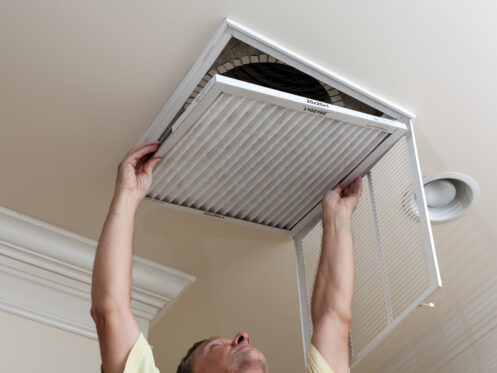
Most people use disposable air filters in their HVAC system, but switching to a reusable (washable) filter can save money over time. The trade-off is that reusable filters need to be cleaned periodically, and they need to be cleaned carefully, or you can damage them and end up spending more than you would have on disposables. Below, we’ll walk through exactly how to clean a reusable filter step by step, how to know when it’s time, and how reusable and disposable filters compare so you can decide what’s right for your home.
To clean a reusable HVAC filter: shut off your system, remove the filter, vacuum off loose debris with a brush attachment, rinse with warm water, gently scrub both sides with mild soapy water, rinse again, and let it dry completely before reinstalling. Never put a damp filter back in, as it can grow mold.
How to Clean a Reusable Air Filter Step by Step
Cleaning a reusable air filter isn’t difficult, but it needs to be done thoroughly so it doesn’t clog again right away, and gently so you don’t tear it. Here’s the process:
- Shut off your HVAC system. Never run the system without a filter in place. Turn it off before you remove the filter.
- Remove loose debris. The face of the filter usually collects dust, lint, and hair. Remove as much as you can before washing. A vacuum with the soft brush attachment works best, just don’t use a bare nozzle, which can damage the filter.
- Rinse with warm water. Use a kitchen sink sprayer or a garden hose sprayer to rinse away debris from both sides.
- Gently scrub. Use a soft-bristled brush with warm, soapy water to clean both faces of the filter, then rinse again until the water runs clear.
- Let it dry completely. Set the filter aside and let it fully air dry before reinstalling. Putting a damp filter back in can lead to mold and mildew growth, which your system will then circulate through your home.
Pro tip: If you switch to a reusable filter, buy two. With a spare, you can pop the second filter in and turn your system back on immediately while the first one dries. That’s especially valuable during a hot Texas summer, when shutting your AC off for hours while a single filter dries can let your home heat up fast.
How to Know When to Clean Your HVAC Air Filter
Cleaning or replacing your filter is one of the most important parts of maintaining your HVAC system. The baseline recommendation is every 90 days at minimum, but many systems benefit from more frequent attention. In Texas, you can often go longer during mild winter stretches when your system runs less.
The best habit is to remove and check the filter monthly so you never wait too long. Watch for these signs it’s time to clean:
- Visible debris buildup: On a reusable filter, if you can’t wipe most of the debris off easily and it still looks dirty, it’s time for a full cleaning. On a disposable filter, a dark or blackened look means it’s time to replace it.
- Weak airflow: If the air coming from your vents feels weaker than it did after your last cleaning, a clogged filter may be restricting airflow and forcing your system to work harder.
- Longer cooling or heating cycles: A dirty filter can make your system run longer to hit the target temperature. This is a less reliable sign on its own (it can point to other issues too), but combined with the above it’s worth a check.
Reusable vs. Disposable Air Filters: Which Is Better?
If you’re deciding between a reusable filter and disposable ones, here’s what matters most:
Filter quality and the MERV rating
Many reusable filters on the market are low quality and not efficient enough, which lets more dust and debris pass through into the heart of your HVAC system. Over time that hurts performance, lowers energy efficiency, can cause more frequent breakdowns, and can shorten your system’s lifespan.
Filter efficiency is measured on the MERV scale. For a residential system:
- MERV 6 minimum for any home system.
- MERV 8 is better, trapping more debris and protecting your system more effectively.
- MERV 10+ if anyone in your home has allergies or you’re concerned about indoor air quality.
- MERV 12 maximum for most residential systems. Going higher can restrict airflow so much that it causes the same performance and efficiency problems as a dirty filter.
Cost vs. convenience
The choice mostly comes down to price versus convenience. A quality reusable filter costs more up front but can last five to 10 years, saving money over the long run. Disposable filters win on convenience: it takes a few seconds to slide a new one in, and you don’t have to shut your system down and wait for a filter to dry (unless you keep a spare reusable on hand).

On Time Experts is proud to serve the Dallas-Fort Worth metroplex with expert heating, air conditioning, indoor air quality, and plumbing services. If you have questions about which air filter is right for your home, contact us today!
Frequently Asked Questions
Yes, for reusable (washable) filters, vacuuming is a good first step to remove loose dust, lint, and hair before washing. Always use the soft brush attachment rather than a bare nozzle so you don’t damage the filter material. For disposable filters, vacuuming isn’t recommended. Once a disposable filter is dirty, it should be replaced rather than cleaned.
Check it monthly and clean it at least every 90 days. Homes with pets, allergies, heavy use, or dusty conditions may need more frequent cleaning. During mild Texas winters when your system runs less, you can often go longer between cleanings. The monthly check is what keeps you from ever waiting too long.
Yes, always. Reinstalling a damp filter can cause mold and mildew to grow, and your HVAC system will then circulate those spores throughout your home. Let the filter air dry completely before putting it back. Keeping a second filter on hand lets you run your system while the first one dries.
Neither is universally better. A quality reusable filter costs more up front but can last five to 10 years and saves money over time. Disposable filters are cheaper individually and far more convenient, since you just swap them out in seconds. The most important factor either way is the MERV rating: use at least MERV 6 (MERV 8 or higher is better), and stay at or below MERV 12 for most residential systems to avoid restricting airflow.
For most homes, use a filter between MERV 6 and MERV 12. MERV 8 is a solid all-around choice. If someone in your home has allergies or you’re focused on indoor air quality, go with MERV 10 or higher. Avoid going above MERV 12 in a standard residential system, because an overly restrictive filter chokes airflow and makes your system work harder, which hurts efficiency and can cause problems similar to a dirty filter.