

blog
The latest news, tips and resources.
The latest news, tips and resources.
Fall in Dallas-Fort Worth can be a strange time for allergies. The mornings start feeling cooler, the windows stay closed more often, and you may not be running the AC as hard. But if you are still sneezing, rubbing your eyes, or waking up congested, outdoor allergens may already be inside your home.
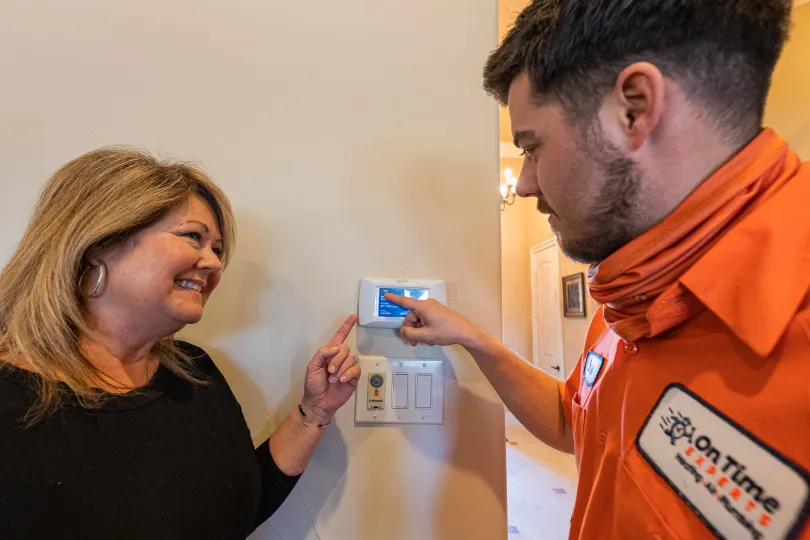
Summers in the Dallas-Fort Worth area often bring long stretches of extreme heat. That makes your thermostat setting important, especially if you want to stay comfortable without sending cooling costs higher than necessary. The best summer thermostat setting depends on your home, insulation, humidity, daily routine, and the condition of your air conditioner. A well-maintained cooling system makes it easier to find a setting that balances comfort and efficiency.

In Dallas-Fort Worth’s 100°+ summer heat, two-story homes often feel uneven. The downstairs may feel comfortable while the upstairs stays too warm, especially during long heat waves. Heat naturally rises, but that is not the only reason this happens. Airflow, insulation, ductwork, thermostat placement, sun exposure, and AC performance can all affect how evenly your home cools. Uneven temperatures do not always mean the AC has failed, but they do mean something is limiting comfort.
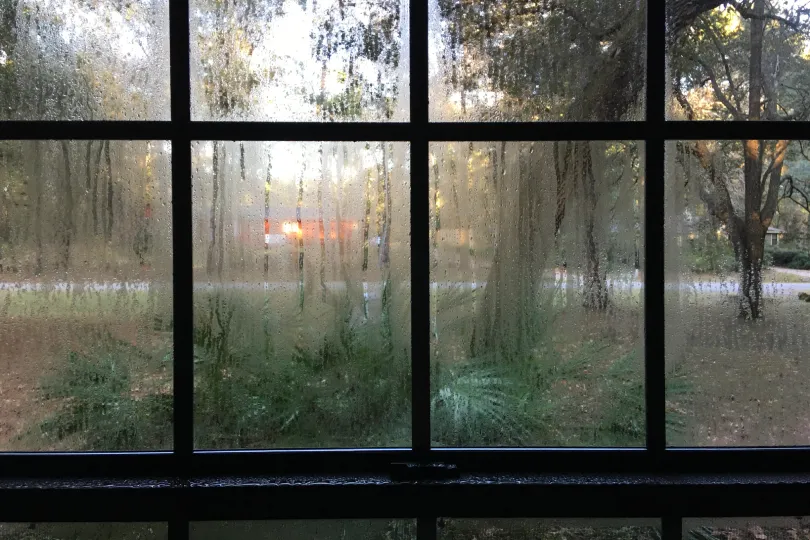
Garland and Dallas-Fort Worth homeowners often notice humidity problems during the summer, when warm outdoor air can make an existing issue more obvious. Understanding how your AC removes moisture—and what can interfere with that process—can help you decide what to check and when to schedule professional service.
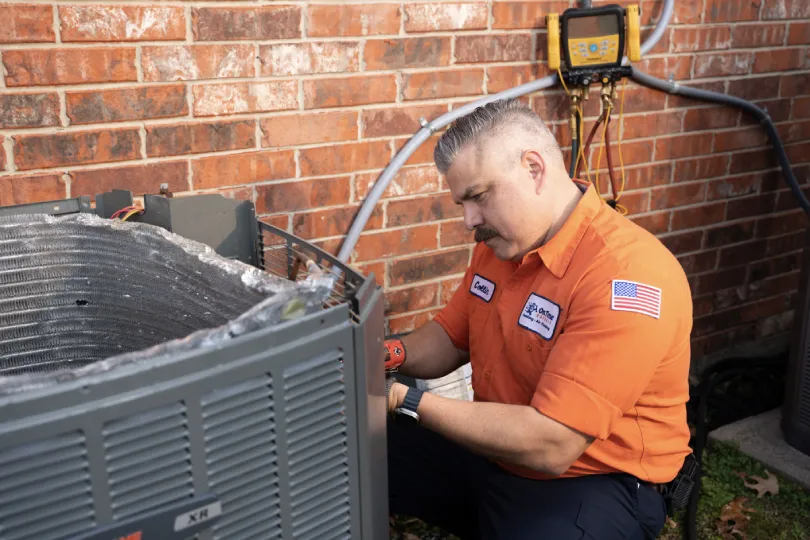
When the summer heat settles over North Texas, an outdoor AC unit that will not turn on can quickly leave your home uncomfortable. You may still hear the indoor blower and feel air coming from the vents, yet the air feels warm or room temperature and the thermostat reading continues to climb. The cause may be as simple as an incorrect thermostat setting or as serious as an electrical, motor, or compressor problem.

A higher summer water bill is not unusual in Dallas-Fort Worth. Hot, dry weather often leads to more lawn watering, pool maintenance, showers, laundry, and other household water use. However, a sharp increase that does not match your normal routine may point to a running toilet, leaking supply line, damaged underground pipe, or another plumbing problem.
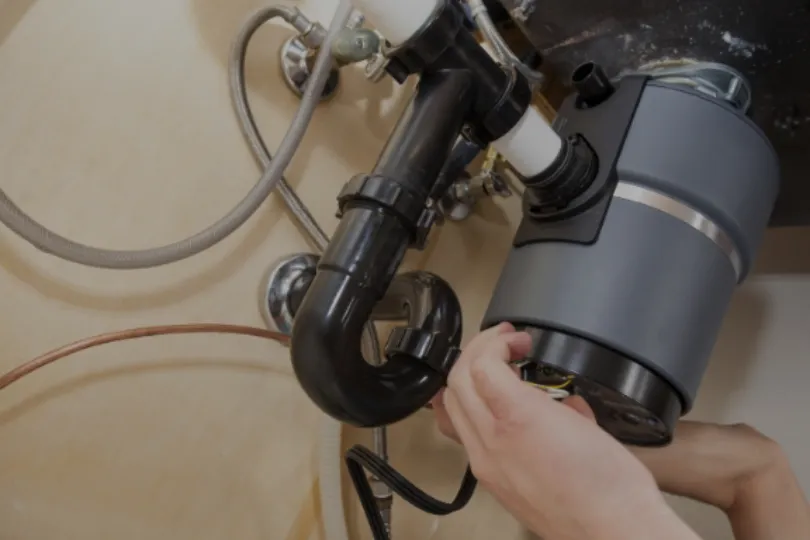
Many homeowners do not think much about their disposal until it stops working. By the time you are asking, “Why is my garbage disposal not working?” the issue may have been building for days or weeks. Grease, fibrous foods, food scraps, and overloaded disposals can all create slow-developing problems that eventually affect your kitchen plumbing.
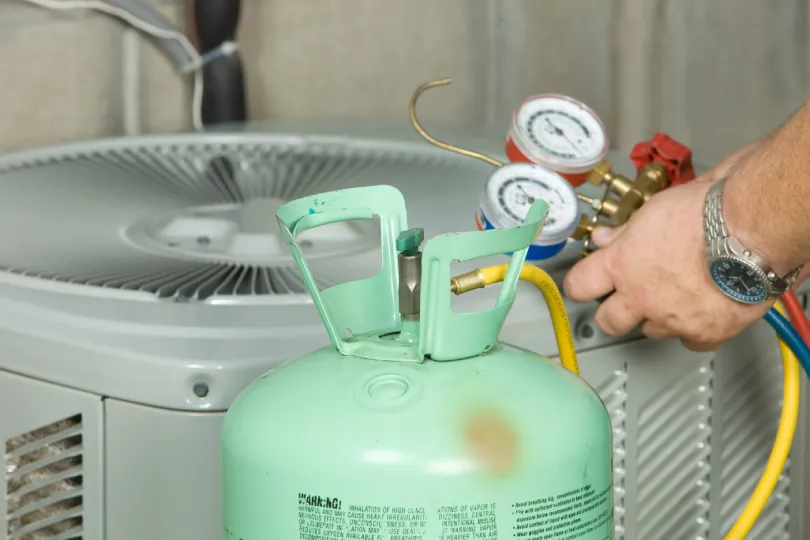
When temperatures start climbing in Fort Worth, Burleson, Arlington, and the surrounding DFW area, your air conditioner quickly becomes one of the most important systems in your home. If it runs for hours but still cannot keep the house comfortable, it is easy to assume the system is simply struggling with the Texas heat.

Standard HVAC filters help protect your heating and cooling system, but they are not designed to capture every particle moving through your ductwork. That is where whole-house air purifiers can help. These systems work with your HVAC equipment to clean the air that circulates through your home and support better indoor air quality.
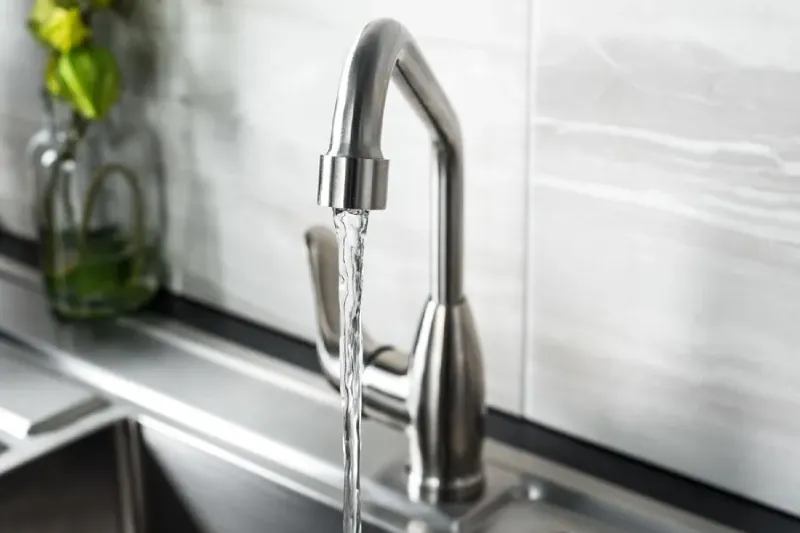
The kitchen sink finally drains again after using a plunger or store-bought cleaner, but a few days later, the clog comes right back. For many homeowners, recurring kitchen drain problems start exactly this way. What looks like a simple clog is often grease, food debris, or buildup still stuck deeper inside the pipe. Temporary fixes may reopen a small path for water, but they often leave the underlying blockage behind.