

blog
The latest news, tips and resources.
The latest news, tips and resources.
Fall in Dallas-Fort Worth can be a strange time for allergies. The mornings start feeling cooler, the windows stay closed more often, and you may not be running the AC as hard. But if you are still sneezing, rubbing your eyes, or waking up congested, outdoor allergens may already be inside your home.
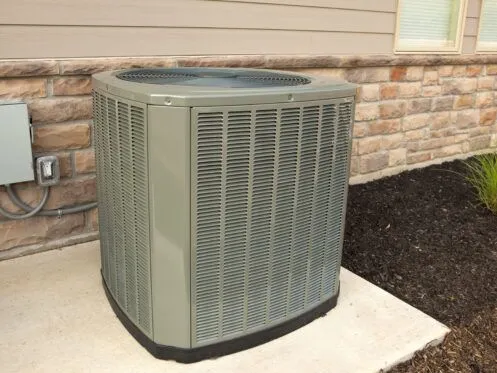
This guide explains how Dallas-Fort Worth homeowners can prepare a heat pump for the holidays, what maintenance they can handle themselves, what a professional tune-up should include, how defrost and emergency heat work, and why fall service can help prevent problems during the first freeze.

Finding reliable AC repair in Dallas-Fort Worth starts with verifying more than a company’s star rating. This guide explains how to check a Texas air conditioning contractor’s license, compare written estimates, evaluate reviews, verify insurance, spot common repair red flags, and know when getting a second opinion makes sense.
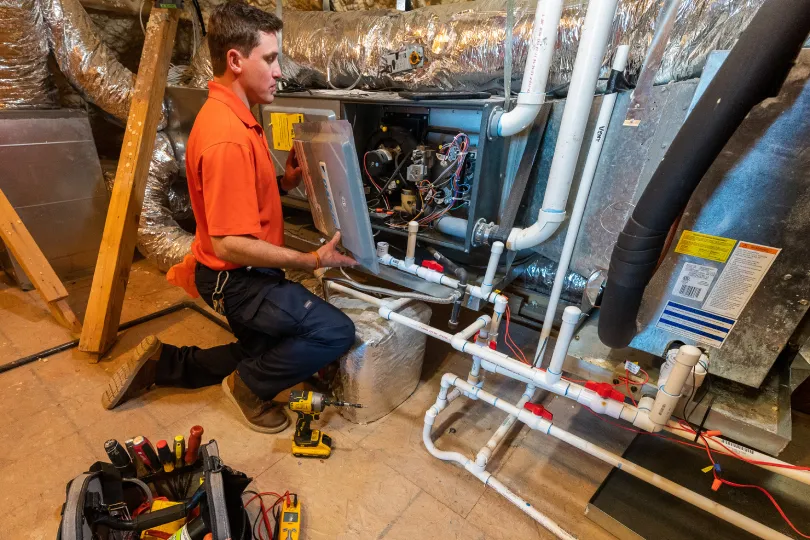
Your furnace has to be ready to go from zero to full effort with almost no warning. A furnace tune-up is how you make sure it can. Here's what a professional tune-up actually includes, when DFW homeowners should book one, and what you risk by skipping it.
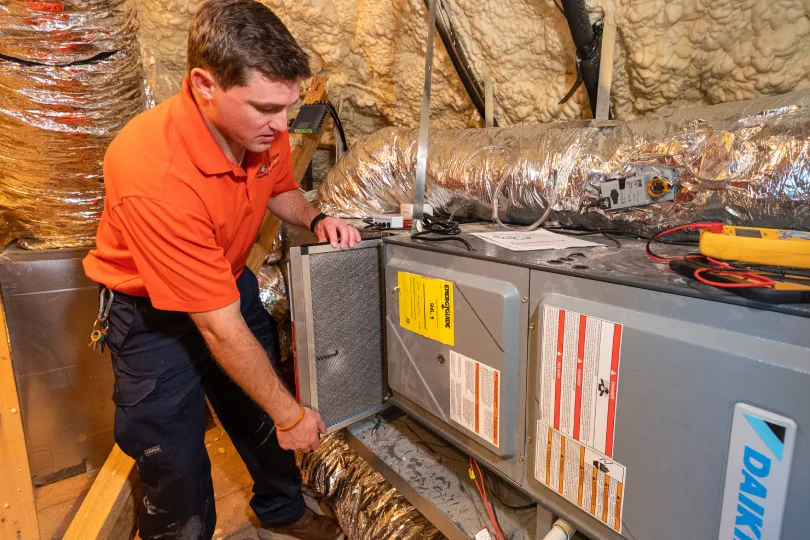
In North Texas, the heat can go months without being touched. Then the first real cold front rolls through Garland, Dallas, and the rest of the Metroplex, usually in late October or November, and thousands of homeowners flip the thermostat to HEAT at the same time. That's the night a lot of furnaces don't answer.
Fall in Dallas-Fort Worth can be a strange time for allergies. The mornings start feeling cooler, the windows stay closed more often, and you may not be running the AC as hard. But if you are still sneezing, rubbing your eyes, or waking up congested, outdoor allergens may already be inside your home.
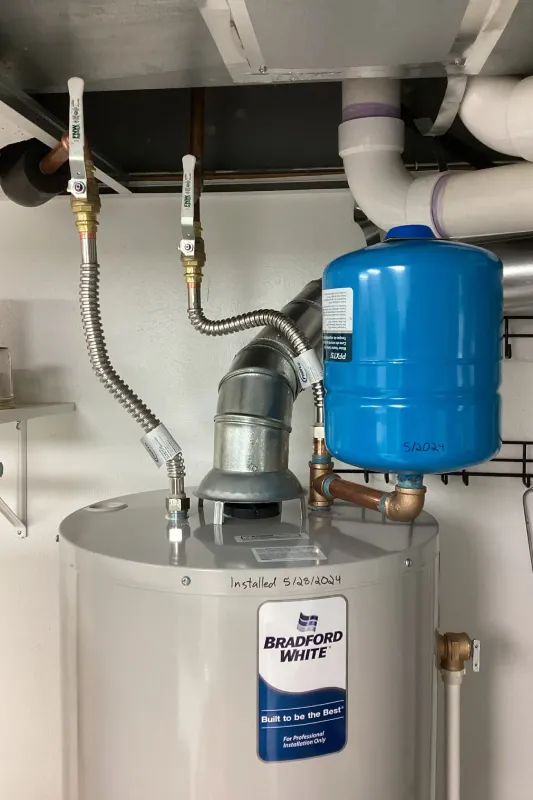
Not every water heater noise means the same thing. Some sounds point to sediment, while others may be related to heating elements, expanding pipes, pressure changes, or a leak.
As colder weather approaches and your household relies more heavily on hot water, understanding what the noise means can help you decide whether the system needs maintenance or repair.

Toilet and pipe condensation happens when warm, moisture-filled air comes into contact with a colder surface. It is common around toilet tanks and cold-water lines, especially in bathrooms that stay humid after showers or do not have much ventilation. While a little condensation is not the same thing as a plumbing leak, repeated moisture can still damage flooring, cabinets, drywall, and nearby materials. Knowing what you are looking at can help you decide whether you can reduce the moisture yourself or whether it is time to call a plumber.
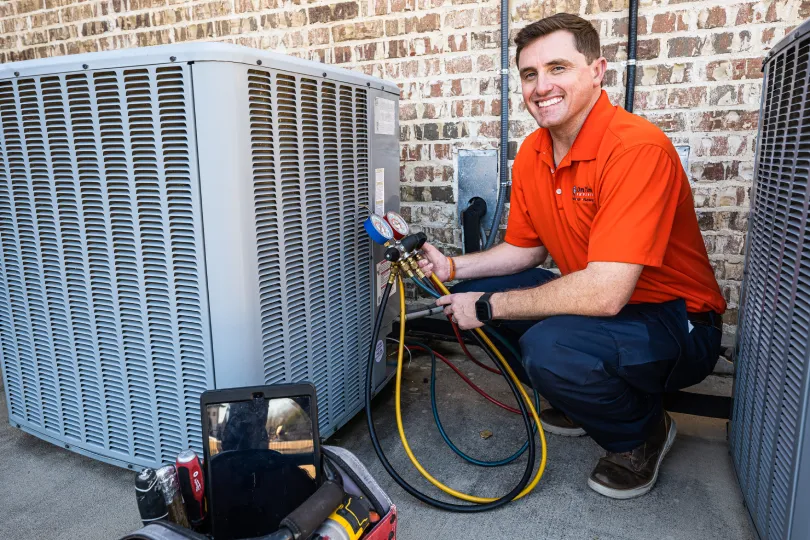
When temperatures climb into extreme heat, you may notice your AC running constantly while the house still feels too warm. Sometimes the system is doing all it can against intense outdoor heat. Other times, the problem may be a dirty filter, poor airflow, low refrigerant, leaky ducts, thermostat issues, aging equipment, or poor insulation. On Time Experts can help diagnose what is keeping your home from cooling properly.