
blog
The latest news, tips and resources.
The latest news, tips and resources.
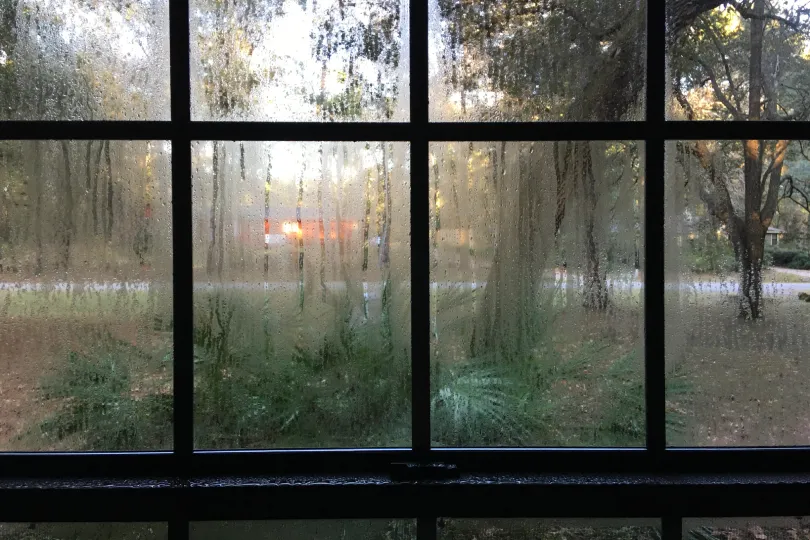
Fall in Dallas-Fort Worth can be a strange time for allergies. The mornings start feeling cooler, the windows stay closed more often, and you may not be running the AC as hard. But if you are still sneezing, rubbing your eyes, or waking up congested, outdoor allergens may already be inside your home.
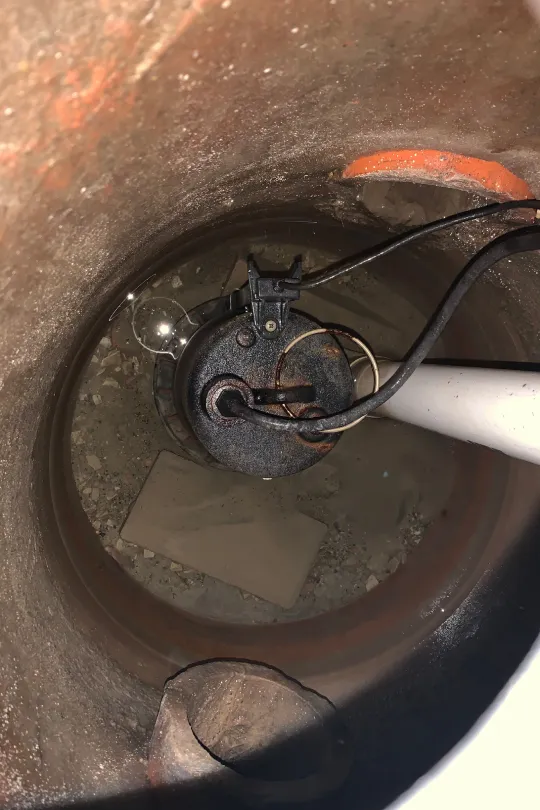
After a heavy North Texas storm, some homeowners notice water pooling near the foundation, damp crawl spaces, or areas of the yard that stay soggy long after the rain stops. In some homes, that water eventually finds its way into low areas around the structure where drainage becomes more difficult.
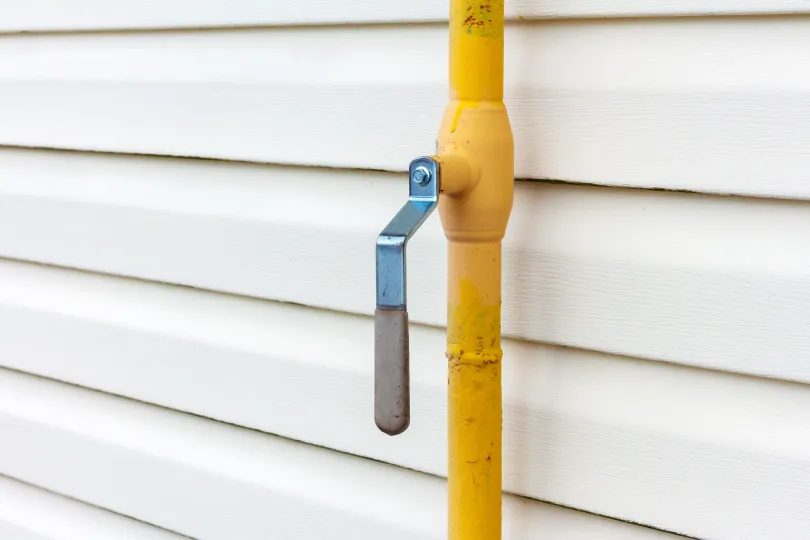
Natural gas is one of the most commonly used energy sources in Texas homes, powering appliances like furnaces, water heaters, stoves, and dryers. While it’s reliable and efficient, many homeowners don’t fully understand how their gas system works or how to recognize potential issues. Knowing the basics can help you stay safe and make informed decisions about maintenance and repairs.

As spring arrives in the Dallas-Fort Worth area, it often brings higher pollen levels. For homeowners with seasonal allergies, this can lead to symptoms like watery eyes, congestion, and sneezing. While keeping windows closed and using an air purifier may help, it's also worth considering your HVAC ductwork. Dust, pollen, and other particles can collect inside ducts and may affect indoor air quality.
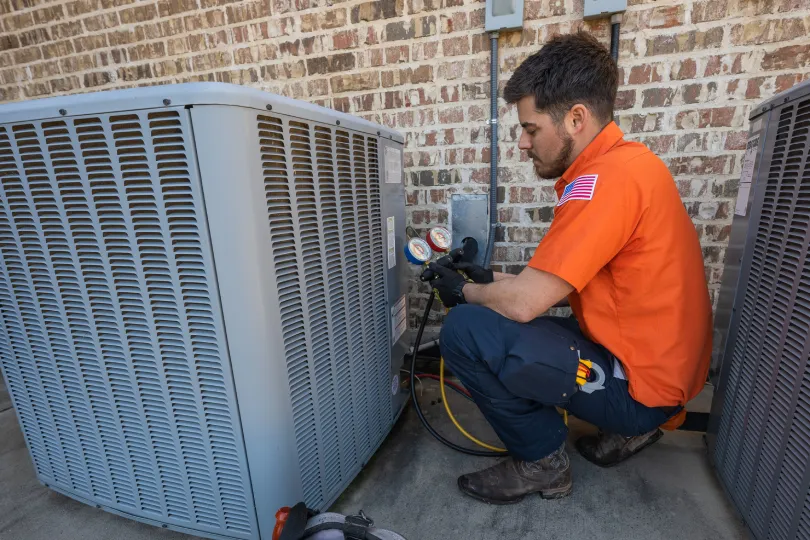
When your air conditioner starts struggling during the intense Dallas and Fort Worth summer heat, repeated repairs can quickly become frustrating and expensive. Knowing when to replace your AC instead of repairing it can help you avoid unexpected breakdowns, reduce long-term costs, and keep your home comfortable.

Your water heater affects many parts of your daily routine. From washing dishes to taking a hot shower, the right setup keeps your home running smoothly. There are two main types to choose from: electric and gas. Each option offers its own advantages and drawbacks. This guide explains the differences and helps you decide which type may work best for your home in Texas.
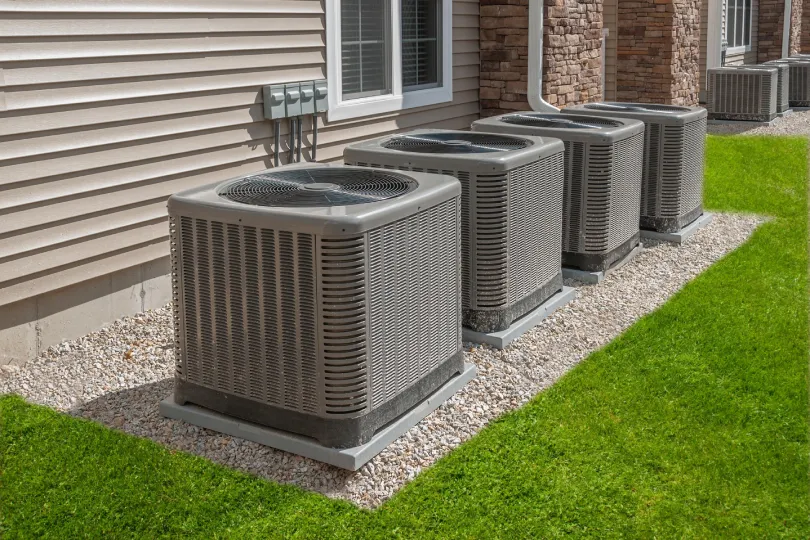
Summer weather in Dallas, TX tends to stay hot. Minimal cloud cover and high humidity can make it feel warmer than it actually is. Occasional thunderstorms may bring brief relief with lower temperatures, but conditions often heat up again quickly. Having a reliable cooling system is essential to keeping your home comfortable and safe.
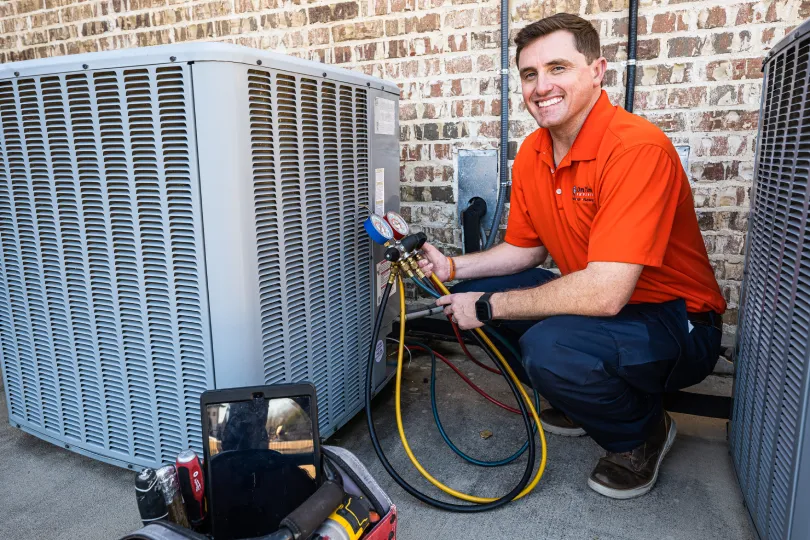
Spring in Dallas, TX, brings beautiful weather and blooming landscapes, but it also creates conditions that increase the risk of AC drain line issues. When this line becomes clogged, it can lead to several problems, including water damage and mold growth. In some cases, your AC may even shut down, leaving your home uncomfortable. Fortunately, keeping the drain line clean and clear is relatively simple and can help you avoid costly repairs.

Winter in the Dallas–Fort Worth, TX area can be tough on plumbing, especially when freezing temperatures occur. Plumbing usage also tends to increase during the holidays, placing additional strain on pipes. As a result, leaks can develop and potentially damage walls, floors, ceilings, and personal belongings. Taking a few preventive steps can help you identify plumbing leaks early and protect your home from costly water damage.