
Moving Kitchen Plumbing During Remodel
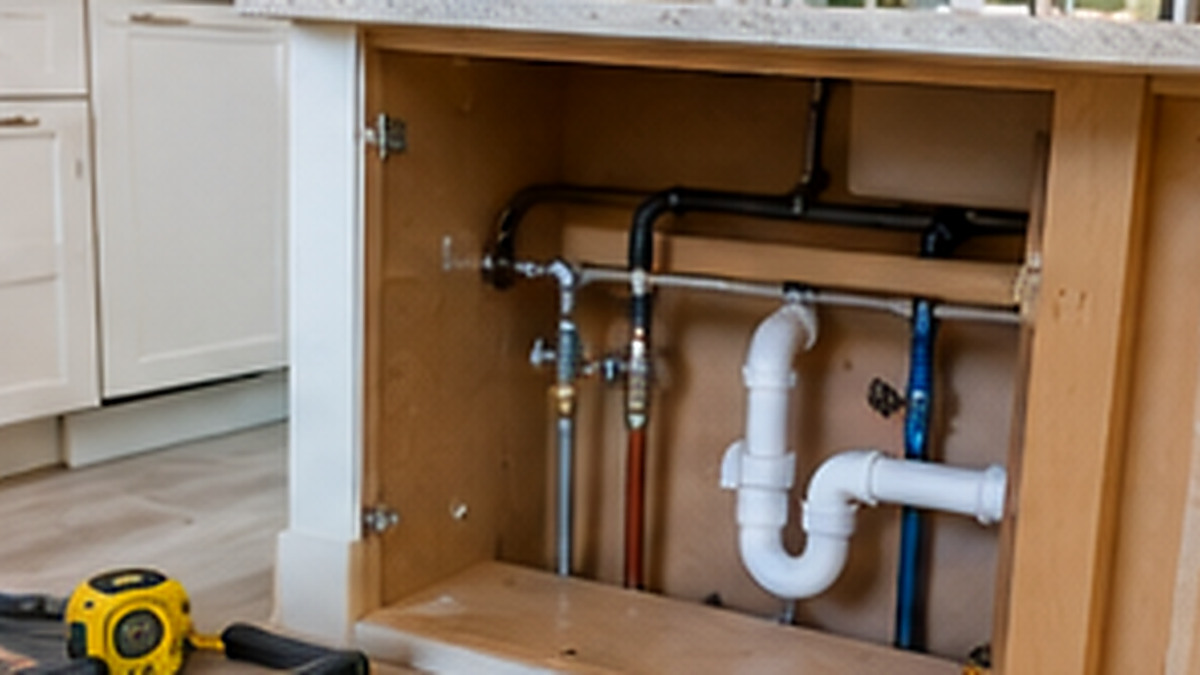
Moving kitchen plumbing during a remodel is usually possible, but the difficulty and cost depend on where the new fixtures will go and how the existing pipes are installed.
Moving a sink a short distance along the same wall may require relatively minor changes. Relocating it to a kitchen island, however, can involve new drain connections, venting modifications, and work beneath the floor.
For Dallas homeowners planning a kitchen renovation, the biggest cost factor is often how easily the existing plumbing can be accessed and connected to the new layout.
Understanding these challenges before ordering cabinets or countertops can help prevent expensive design changes later.
How Difficult Is It to Move Kitchen Plumbing?
The complexity of moving kitchen plumbing depends on the fixtures being relocated, the distance involved, and available access to the pipes.
Water supply lines can sometimes be routed through cabinets, walls, or other accessible spaces.
Drain lines are generally more complicated because they must maintain appropriate slope, connection arrangements, and venting.
Moving a sink also affects nearby fixtures, such as the dishwasher and garbage disposal.
A plumber should evaluate the proposed layout before determining whether the existing plumbing can be extended or needs significant modification.
Kitchen Plumbing Relocation Comparison

Actual complexity depends on the specific home. A short relocation can still require significant work when existing pipes are difficult to access.
How Much Does It Cost to Move Kitchen Plumbing?
There isn't one reliable price for moving kitchen sink plumbing.
Two kitchens with similar layouts may have very different plumbing requirements.
The total cost can depend on:
- Distance: Moving fixtures farther from existing connections can require additional piping.
- Accessibility: Pipes behind removable cabinetry are generally easier to access than those beneath finished floors.
- Drainage modifications: New drain routes must maintain appropriate drainage and venting.
- Foundation construction: Concrete slab work may require specialized access and restoration.
- Materials: Pipe type, fittings, and connections affect the project scope.
- Permits and inspections: Required approvals add planning and coordination.
- Restoration: Drywall, tile, flooring, countertops, and cabinetry may need repair or modification.
For a meaningful estimate, ask the plumbing contractor to identify the required pipe changes and any related construction work.
A quote that only covers new piping may not include demolition, concrete restoration, or cabinet modifications.
Can You Move a Kitchen Sink to an Island?
Yes, but moving a kitchen sink to an island is often more involved than relocating one along an existing wall.
The main challenges are providing suitable water supply connections, drainage, and venting without the convenience of an adjacent wall.
Traditional sink installations commonly use vent piping routed through nearby walls.
Island sinks may require a different approved vent arrangement because there isn't necessarily a wall behind the fixture.
Why Is Kitchen Sink Venting Important?
Plumbing vents help regulate air pressure within the drainage system and protect fixture trap seals.
Without appropriate venting, wastewater flow can create pressure conditions that interfere with drainage or allow trap seals to be lost.
Island sinks may use specially designed vent arrangements permitted by the applicable plumbing code.
An air admittance valve may be an option in some installations, but it isn't automatically acceptable for every kitchen.
The plumber must confirm whether the proposed method is permitted by the local jurisdiction and meets the applicable installation requirements.
Can You Move a Sink Without Relocating the Drain?
Sometimes.
A modest sink relocation may allow the existing drain connection to remain in use if the new pipe route meets slope, trap, venting, and access requirements.
However, moving a sink farther away may make the existing arrangement impractical.
Drain pipes cannot simply be extended across a room without considering elevation changes and how they connect to the rest of the system.
A plumber should evaluate the available space before recommending the new layout.
Moving Kitchen Plumbing Through a Concrete Slab
Many Dallas-area homes have slab-on-grade foundations, although construction varies by neighborhood and property.
If kitchen drain piping runs beneath a concrete slab, moving fixtures may require additional work to reach or reroute underground connections.
Depending on the design, this can involve:
- Evaluating existing under-slab pipe locations
- Determining whether concrete access is necessary
- Coordinating demolition and restoration
- Assessing the proposed new drain route
- Considering structural or foundation-related restrictions
Concrete work can significantly affect the total remodeling budget.
Can Plumbing Be Rerouted Through Walls Instead?
In some situations, water supply lines can be rerouted through accessible walls or ceilings instead of beneath the slab.
Drainage is more restrictive because gravity-drain systems require appropriate slope and venting.
A route that works for a pressurized water supply line may not be suitable for a kitchen drain.
Before deciding to break into a slab, ask whether other code-compliant piping routes are available.
What Happens to the Dishwasher and Garbage Disposal?
Changing the sink location can also affect other kitchen fixtures.
Dishwashers require appropriate hot water supply and drainage connections, along with applicable backflow protection.
Depending on the installation, this may involve an approved drain connection, air gap, or other arrangement required by the local code and manufacturer.
If you're adding or relocating a disposal, its position must work with the sink drain, trap, dishwasher connection, and available cabinet space.
Planning for garbage disposal installation during the initial plumbing layout can help avoid changes after cabinets are installed.
Refrigerators with ice makers or water dispensers also require appropriate supply connections and accessible shutoffs.
Avoid assuming that an existing refrigerator connection can simply be extended indefinitely. The proposed route and connection method should be evaluated.
Do You Need a Permit to Move Kitchen Plumbing in Dallas?
A kitchen renovation may require plumbing permits or inspections when the work involves relocating, adding, or substantially altering pipes and fixtures.
The City of Dallas distinguishes certain minor repairs or cosmetic improvements from work involving changes to building systems.
Dallas currently references the 2021 International Plumbing Code with local amendments.
However, permit requirements depend on the exact scope of work and the jurisdiction.
A project in Plano, Garland, or another Dallas-area city may follow different local administrative requirements.
Before construction, confirm applicable permits and inspections with the local building department or qualified plumbing contractor.
Questions to Ask Before Finalizing Your Kitchen Remodel
Plumbing decisions should be made before cabinets, flooring, and countertops are ordered.
Ask your remodeling contractor and plumber:
- Can the proposed sink location use the existing drainage system?
- Will new vent piping or an approved alternative be necessary?
- Does the proposed layout require opening the foundation?
- Can water lines be routed through accessible walls or cabinets?
- How will the dishwasher, disposal, and refrigerator connect?
- Which permits or inspections apply?
- Does the plumbing estimate include demolition and surface restoration?
- Could an alternative layout provide similar functionality with fewer plumbing modifications?
Having these answers early can help you balance the benefits of a new kitchen layout against the additional construction expenses.
FAQs About Moving Kitchen Plumbing
Is it expensive to move a kitchen sink?
It can be. Costs depend on access, distance, drainage, venting, and whether structural or slab work is necessary.
Can you move a sink to an island without breaking the floor?
Sometimes, depending on the existing plumbing and available routes. A plumber must evaluate the drainage and venting requirements.
Do all kitchen remodels require plumbing permits?
No. Requirements depend on the work being performed and local rules. Significant plumbing relocation may require approval and inspection.
Can a dishwasher be moved to another cabinet?
Often, but the new location must accommodate proper water supply, drainage, electrical connections, and applicable installation requirements.
Should plumbing be moved before installing cabinets?
Yes. Major plumbing layout decisions should be coordinated before cabinets and countertops are finalized.
Plan Your Kitchen Plumbing Remodel With On Time Experts
A well-designed kitchen should look great and function reliably.
Before making major layout changes, consider having a plumbing professional evaluate the proposed sink and appliance locations.
On Time Experts provides professional plumbing services for homeowners throughout North Texas.
If you're planning a kitchen remodel, contact On Time Experts to discuss the plumbing requirements of your project and explore practical options for your Dallas home.
Save on Your Next Home Service
Keeping your home comfortable and running smoothly shouldn’t have to stretch your budget. Explore current specials from On Time Experts and save on select heating, cooling, plumbing, and indoor air quality services. Check out our latest offers and schedule your service today.