
Water Heater Install: DIY vs. Hiring a Pro
This guide explains when Texas homeowners can legally install their own water heater, the safety and permit risks involved, how DIY compares with professional installation, and when hiring a licensed plumber is the safer choice.
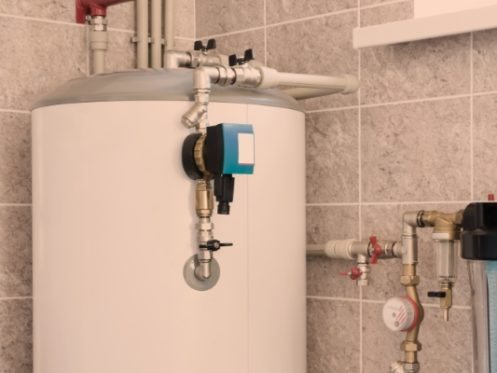
Texas lets homeowners do their own water heater installation in the home they own and live in, but in Dallas the job still needs a permit, and it involves gas or 240-volt electricity, a pressurized tank and a safety valve that has to be piped correctly. For most homeowners, the risk outweighs the savings.
Can You Legally Install Your Own Water Heater in Texas?
Yes, in your own home. Texas law says a property owner doesn't need a plumbing license to do plumbing in their own homestead.[16] That exemption covers the house you own and live in. It doesn't cover a rental property, and it doesn't let an unlicensed handyman do it for you. Anyone who offers plumbing work to others has to work under a responsible master plumber.
The exemption also doesn't remove the permit. The City of Dallas says water heater replacements require a permit even if the homeowner does the installation, and it can't legally be done by the owner on a rental property unless the owner is a licensed plumber.[17] The city's building department confirms that homestead owners can do their own plumbing work but still need a permit when the building code calls for one.
Other DFW cities set their own permit rules, so check with your city's building department before you start. On Time Experts installs water heaters across Dallas-Fort Worth with licensed plumbers working under its Texas master plumber license.
What Can Go Wrong With a DIY Water Heater Installation?
The risks depend on the type of water heater, but every installation has the same core hazards. The City of Dallas calls improperly installed water heaters one of the most common plumbing violations it finds in existing homes, mainly involving the temperature and pressure relief valve.
The main risks:
- The temperature and pressure relief valve opens if the tank gets too hot or the pressure climbs too high. Its discharge pipe has to be the right size and material and run to a safe spot. A capped or blocked line can stop the valve from relieving pressure, and a missing one can spray scalding water.
- A gas water heater needs a gas connection with no leaks and a vent that carries exhaust out of the house. A loose fitting or a vent that doesn't draft correctly can put gas or carbon monoxide in your home.
- Most electric water heaters run on 240 volts. Wiring them wrong can cause shock, fire or a unit that burns out its heating elements.
- A bad connection on the supply lines can leak slowly inside a closet or attic before anyone notices.
- Water weighs about 8.3 pounds per gallon, so a full 50-gallon tank puts roughly 400 pounds of water on the floor or attic platform under it. Even drained, an old tank is heavy and awkward, and moving one in or out of an attic is a two-person job.
Is an Electric Water Heater Easier to Install Than Gas?
An electric model avoids gas lines and venting, so it removes two of the most serious risks. You still need to shut off the right breaker, confirm the power is off, connect the wiring correctly and fill the tank completely before turning the power back on. Turning on an electric heater with an empty tank can ruin the heating elements in seconds.
Gas water heaters add the gas connection, a leak test and the vent. Tankless water heaters add more: many need a larger gas line, a different vent or a new electrical circuit. Switching from a tank to a tankless water heater is rarely a straight swap.
How Does DIY Compare to a Professional Installation?
The biggest differences are who carries the risk and how long the job takes.

The real savings from DIY are smaller than they look once you add a permit, new fittings, a drain pan, any code-required parts and the cost of a mistake. Ask any installer to put in writing what the price includes.
What Does a Professional Water Heater Installation Include?
A professional installation should leave you with a water heater that's safe, up to code and set up correctly. Expect the plumber to remove the old unit, set the new one, make the water, gas or electrical connections, install the relief valve and its discharge line, test for leaks, check the vent on a gas unit and confirm the burner or elements are working.
Ask the plumber to set the temperature to 120°F, which the Department of Energy considers safe for most households and which saves energy. On Time Experts installs and replaces tank and tankless water heaters across DFW; see its water heater installation page for the options, and its financing page if you'd like to spread out the cost.
When Does It Make Sense to Do It Yourself?
A DIY installation is most realistic when all of these are true: you own and live in the home, you're replacing an electric tank with the same size electric tank in the same spot, the existing wiring and water lines are in good condition, and you're comfortable pulling the permit and having the work checked. Even then, plan for a full day, a helper and a trip back to the store.
It makes less sense when the heater runs on gas, sits in an attic, is moving to a new location or is being changed to tankless. Those jobs add venting, gas piping or electrical work where a small mistake has big consequences. If you're unsure, a licensed plumber from On Time Experts can look at your setup and tell you what the job involves before you decide.
Frequently Asked Questions
Do you need a permit to replace a water heater in Dallas?
Yes. The City of Dallas requires a permit for water heater replacements, even when the homeowner does the work. Other DFW cities have their own rules, so check with your local building department.
Can a handyman install a water heater in Texas?
Not legally, unless the handyman is a licensed plumber or works under one. Texas exempts only property owners working on their own homestead. Anyone paid to do plumbing must be licensed or supervised by a master plumber.
How can I check a plumber's license in Texas?
Use the public license search on the Texas State Board of Plumbing Examiners website.[15] Search by name or license number and confirm the license is active.
How long does a water heater installation take?
A straight replacement of a tank water heater usually takes a few hours for a professional. Switching to tankless, moving the location or changing from electric to gas takes longer.
Is it hard to install a water heater yourself?
It depends on the setup. Swapping an electric tank for the same size electric tank in the same spot is the most manageable version, and it still takes most of a day, a helper and a permit in Dallas. Gas, attic, relocation and tankless jobs add gas piping, venting or electrical work, which is where mistakes get dangerous.
Thinking About Replacing Your Water Heater?
On Time Experts installs and replaces water heaters for homeowners across Dallas-Fort Worth, with licensed plumbers working from offices in Garland, McKinney, Dallas and Carrollton. See current offers on our specials page, or call 281-694-7946 to talk through your options.
Save on Your Next Home Service
Keeping your home comfortable and running smoothly shouldn’t have to stretch your budget. Explore current specials from On Time Experts and save on select heating, cooling, plumbing, and indoor air quality services. Check out our latest offers and schedule your service today.